Game Testing
Author:
Julia Maier
min
Reading Time
After nine months of development, Die Neue Sammlung launched the beta version of a new digital game, “Design in Line,” kicking off a multi-week testing marathon. Testing took place throughout December, from morning to evening—in classrooms and in the museum library.
Gameplay in Bavaria’s classrooms
December, 5 a.m., and the alarm goes off—back to the future: it’s time to go back to school, for first period.
For two weeks, we travel to four different schools across Bavaria. The reason: students in grades 7 to 12 are invited to test our new game and give their feedback.
“Design in Line” is a web-based digital game featuring objects from our collection. Its aim is to convey design questions and parameters in a playful way and to invite young people to actively engage with design and with our collection.
From the very beginning, it was clear to us that design should also be experienced in the classroom and help fill a gap in the curriculum. To meet real needs and live up to our quality standards, we have been developing the game together with the agency PlayingHistory, designers, and teachers since February 2025.
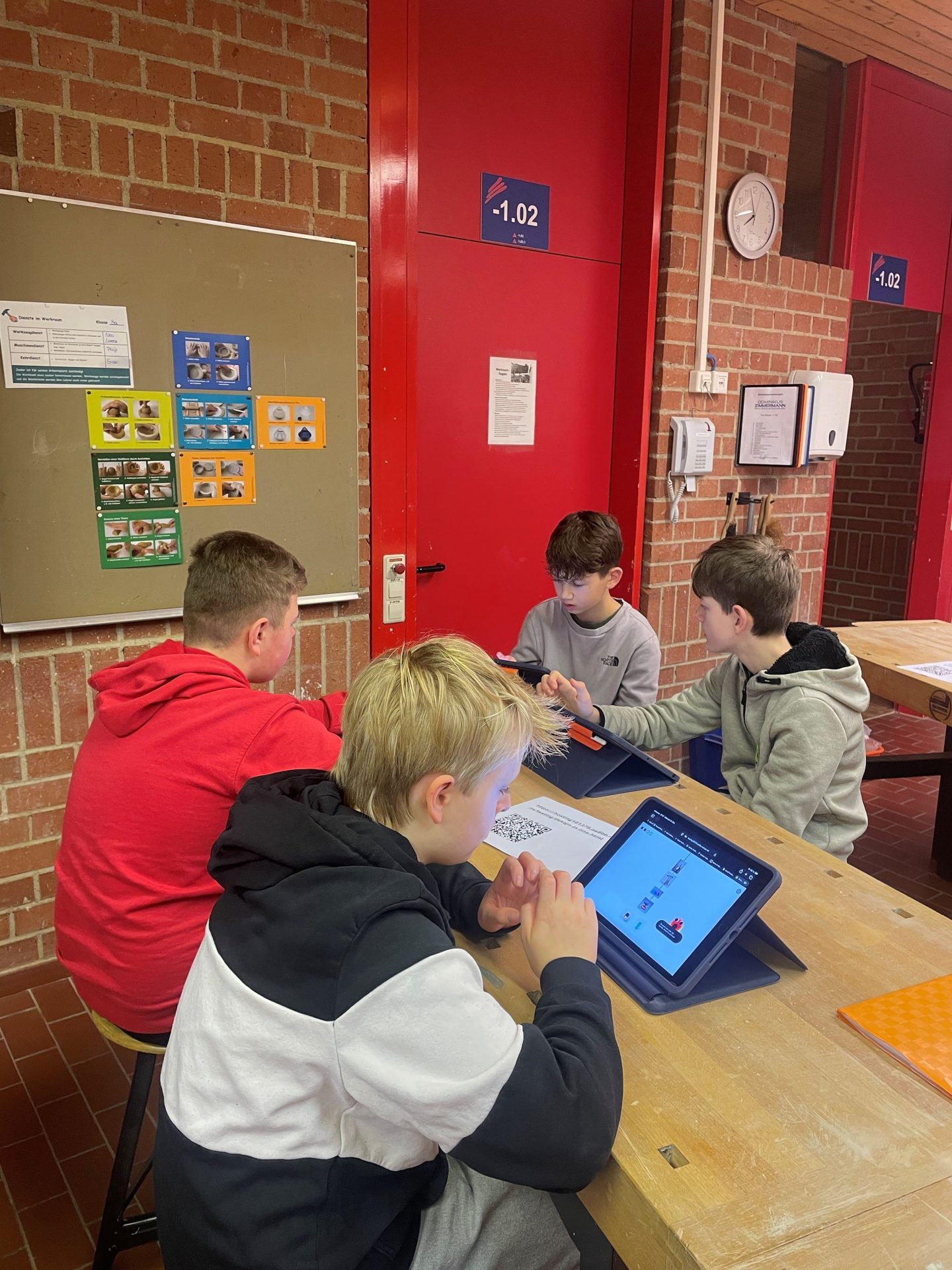
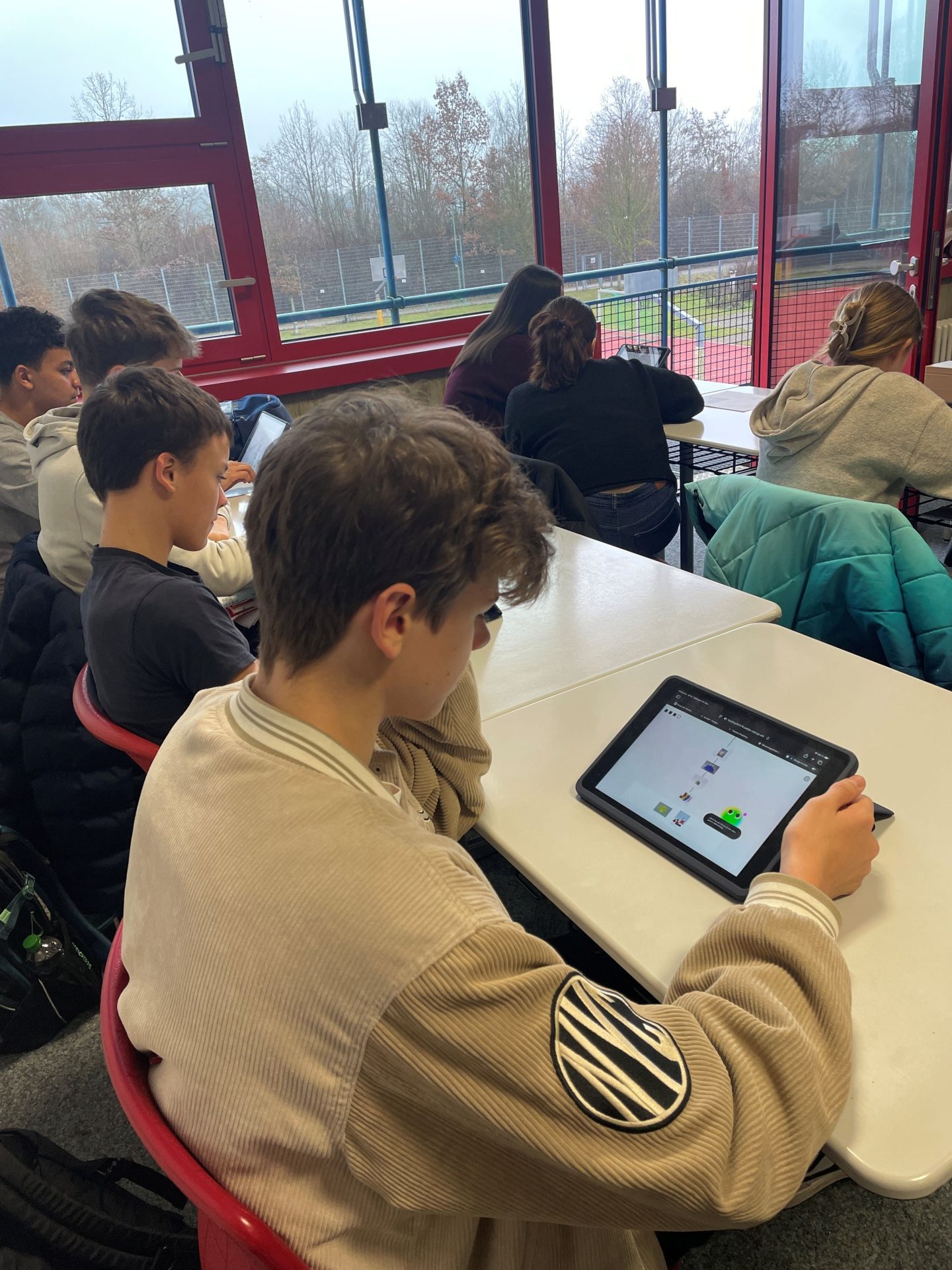
During the first school testing session, Anne and Anna from PlayingHistory were still with us; after that, the three of us continued on our own. Our winter journey with the beta version took us to Munich, Ingolstadt, and Günzburg, where we were able to test the game with a wide range of grade levels.
Whether 7th or 12th grade, middle school, secondary school, or grammar school—the students jump straight into the game by choosing between product or graphic design and selecting their game mode. Everyone is immediately enthusiastic, and a few confident teens start competing and comparing points. The students work their way through the levels one by one. One particularly eager player even makes it all the way to level 30—a new record!
The students’ reactions to the objects are varied:
“A container for cotton wool for noses? What is that supposed to be?” – “Look, I had that Nintendo too!” – “Is that a foldable bathtub? Crazy!”
The digital game companion CMYK also adds to the fun, and some students even turn into DJs thanks to the sound effects—for us, a clear sign that an on/off button might be needed.
After the joint feedback session, many students continue playing right away—a response we’re very happy about. But before we move on to final implementation with the feedback, testing continues again in the evening.
Pizza & Play at the museum
Friday evening, 7 p.m. The doorbell rings at the museum office entrance.
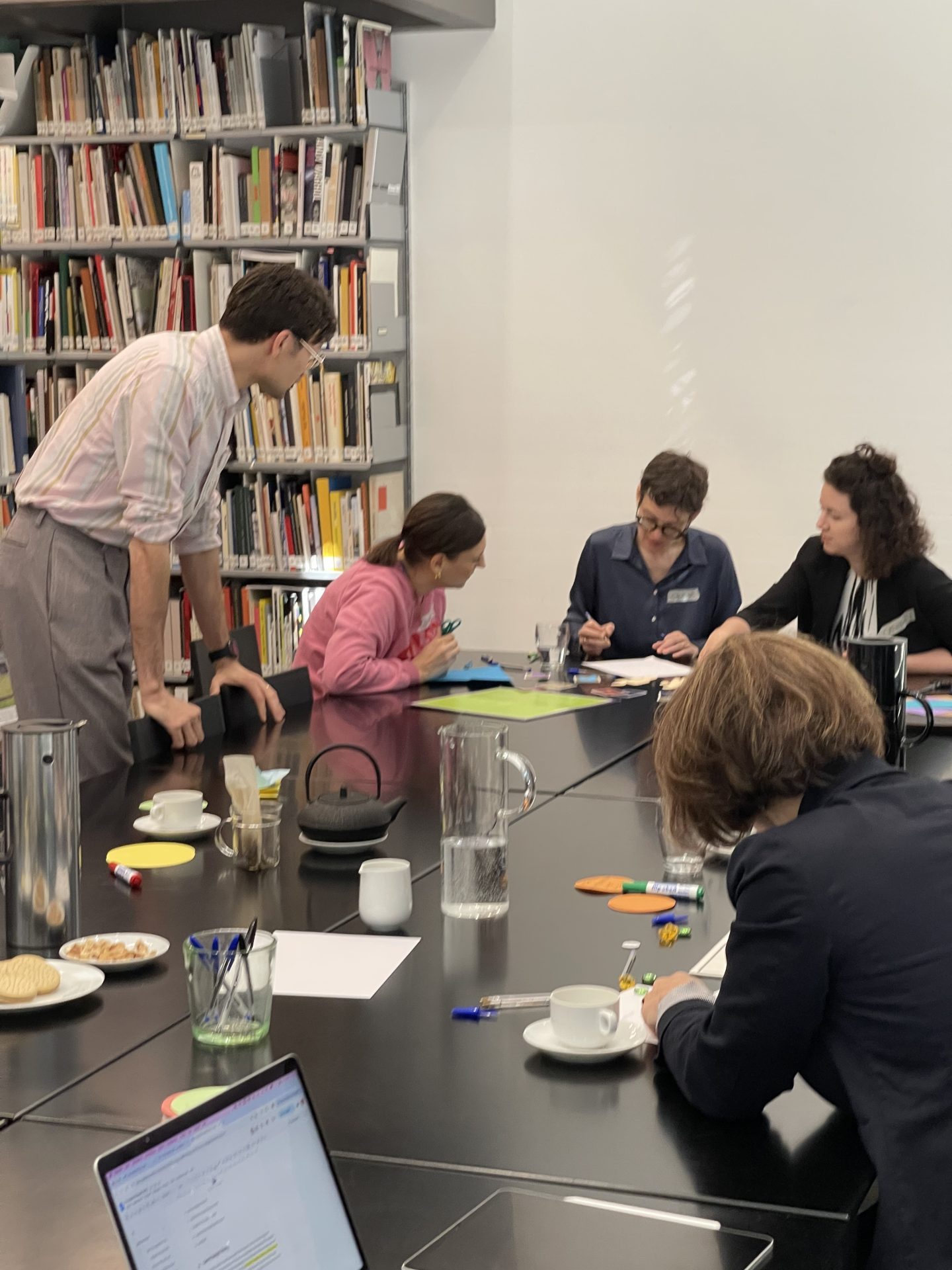
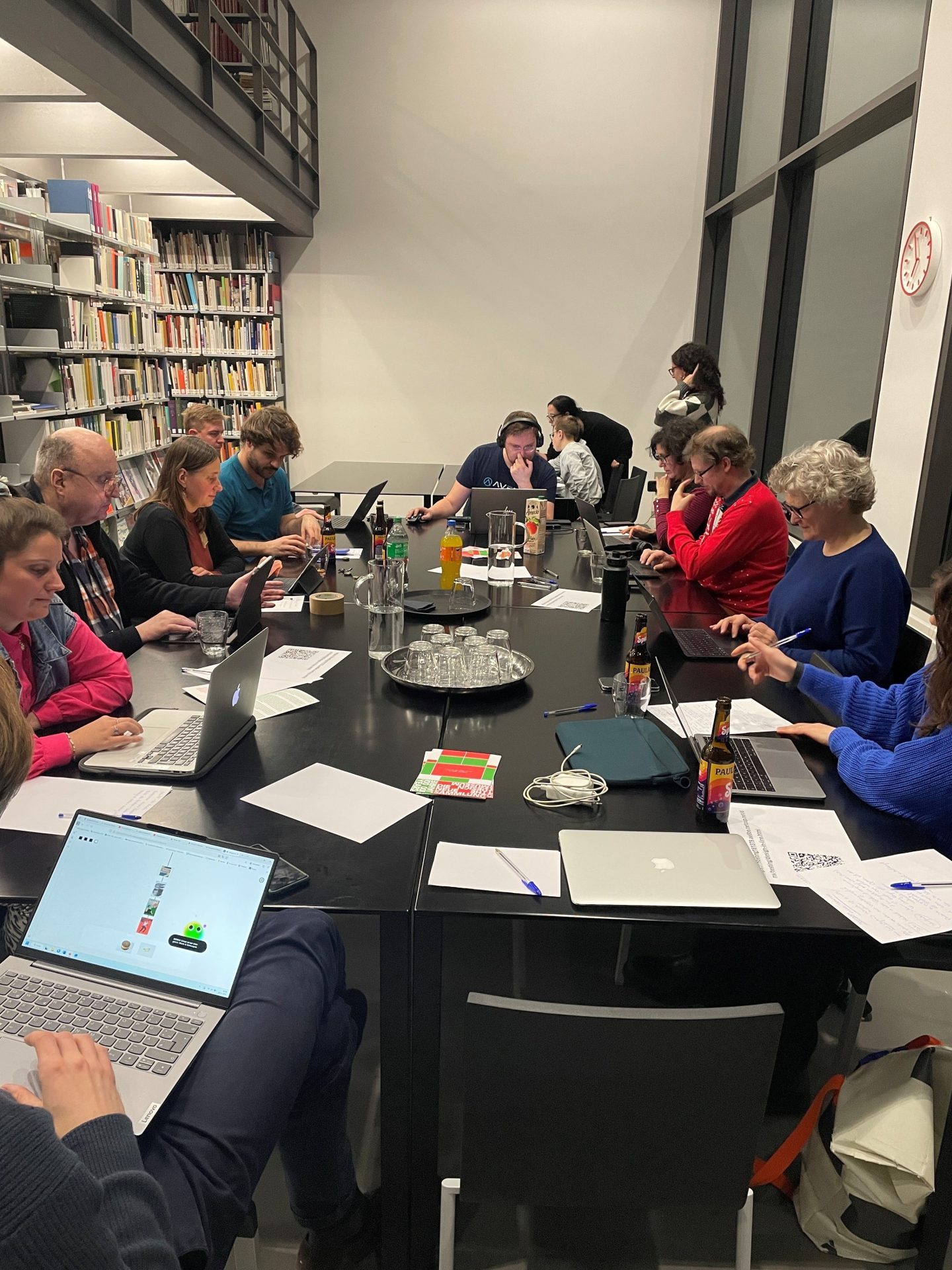
Right on time, our library fills up with 15 people from the gaming and cultural scenes. Young or young at heart, all testers log into the Bavaria Wi-Fi, grab a Paulaner Spezi, and load the beta version of our design game onto their screens via QR code. And then it begins! From gaming PCs with glowing keyboards to laptops, tablets, and smartphones—everyone plays through the different levels in graphic and product design at their own pace.
Every level, every object, every text is examined critically: color matching is checked, game mechanics are tested, and content is reviewed for accuracy. All testers take their task very seriously. You could hear a pin drop in the room.
That changes abruptly when the pizza delivery person rings the bell and ten family-sized pizzas arrive. While refueling, lively discussions begin, initial feedback is shared, and different gaming experiences are compared.
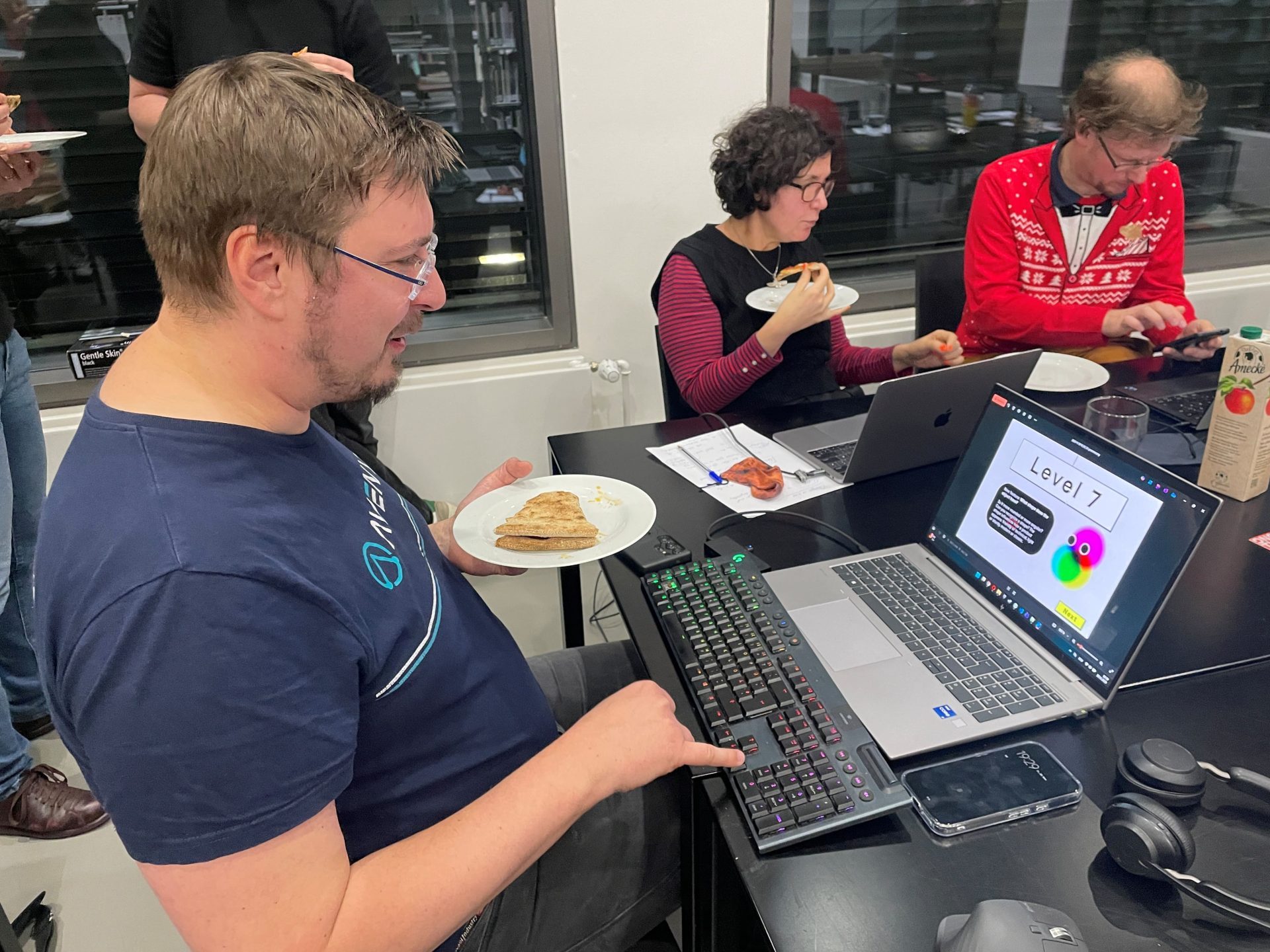
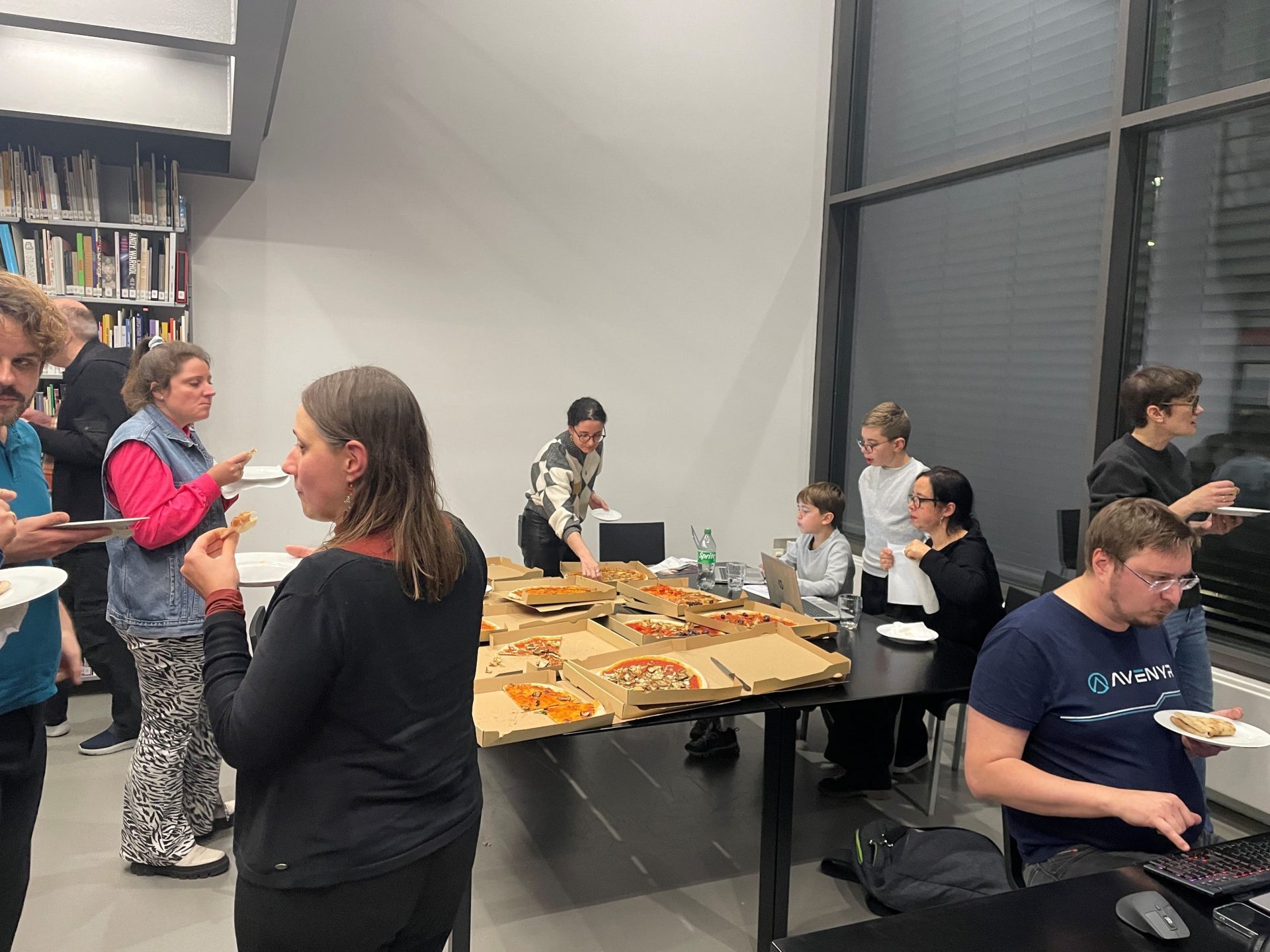
Some gamers are so focused that they barely look up from their screens and almost forget to eat the pizza. Luckily, we managed to save a few slices that could be enjoyed while playing.
Brainstorming and collecting suggestions for improvement continue late into the evening in a pleasant atmosphere.
Next steps
Only through this intensive testing can we continue to optimize the game and bring it to the highest possible level of quality.
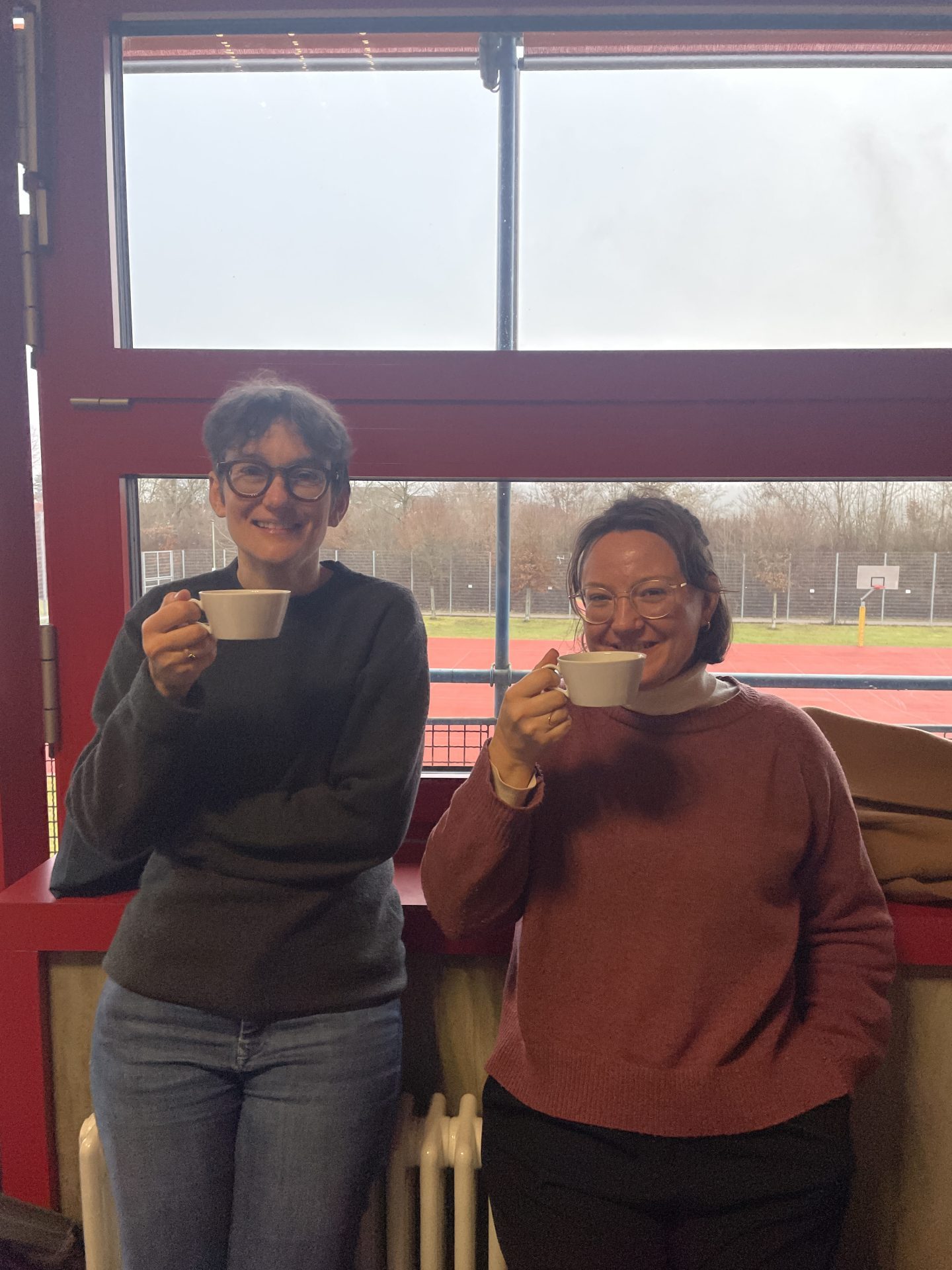
A heartfelt thank you to all the dedicated testers for their participation and opinions. We would also like to thank the wonderful teachers for their support and the warm welcome—including refreshments, whether gingerbread, coffee, or vegan salads.
From June 2026, the game will be available online and will invite students, teachers, and all interested visitors to discover design in a new way. Whether in the classroom or independently at home, “Design in Line” offers a playful approach to design questions and our collection.
The game will be available free of charge via the website. At the end of June, a program weekend focusing on the topic of “Game Design” will take place as part of the release. Details will follow in our calendar.