It’s a match!
Die Neue Sammlung – The Design Museum and the Deutsches Museum are celebrating their 100th anniversaries together.
While their collections are partly identical, their perspectives on the objects differ. While the Deutsches Museum collects primarily based on technical aspects, the Design Museum places greater emphasis on design. Some objects, however, shape cultural history and are thus featured in both museums.
“It’s a match” explores the similarities, differences, and associative connections between the objects. Look forward to fascinating insights into the collection histories of these two major museums in Munich.
Hand console – Let’s play!
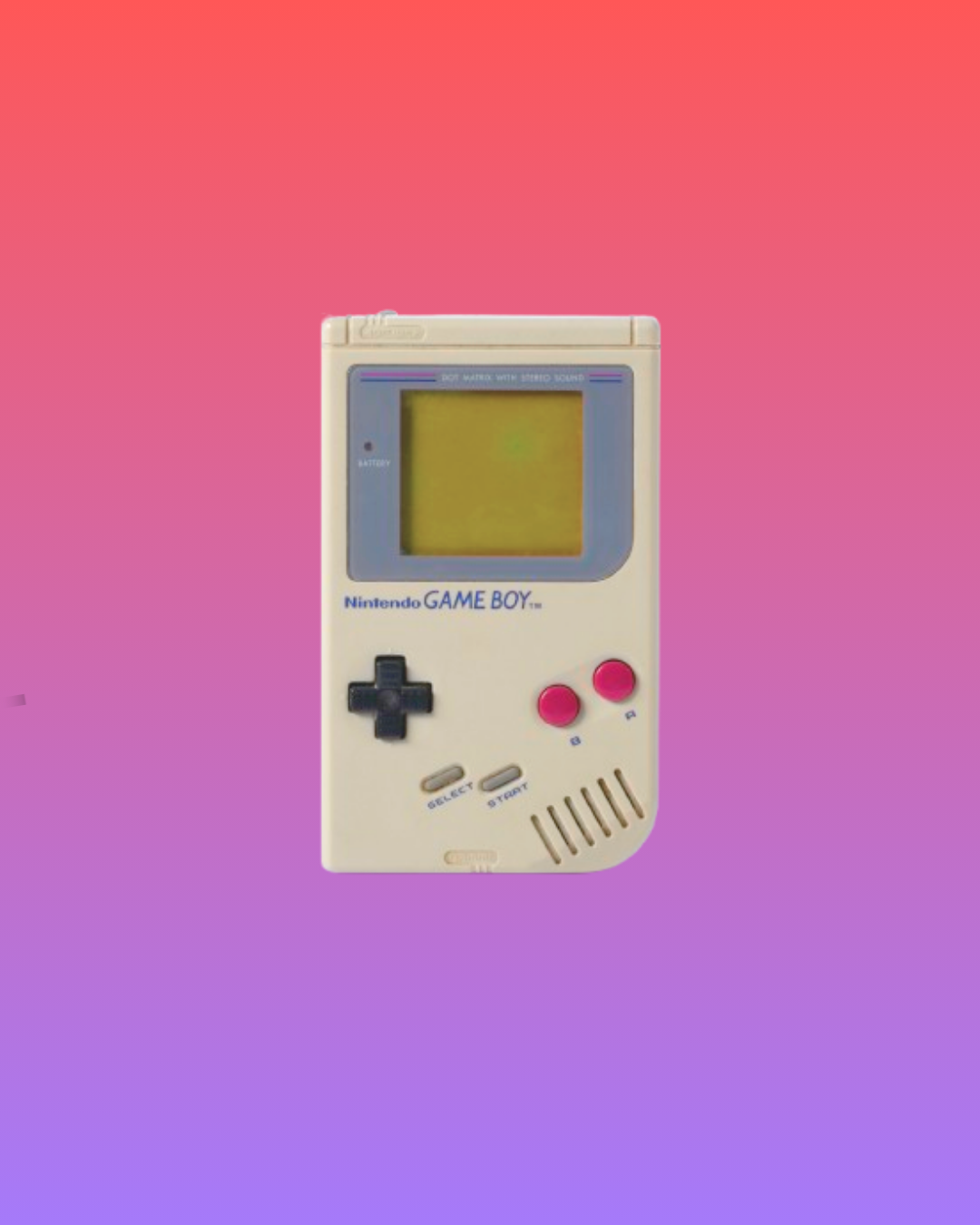
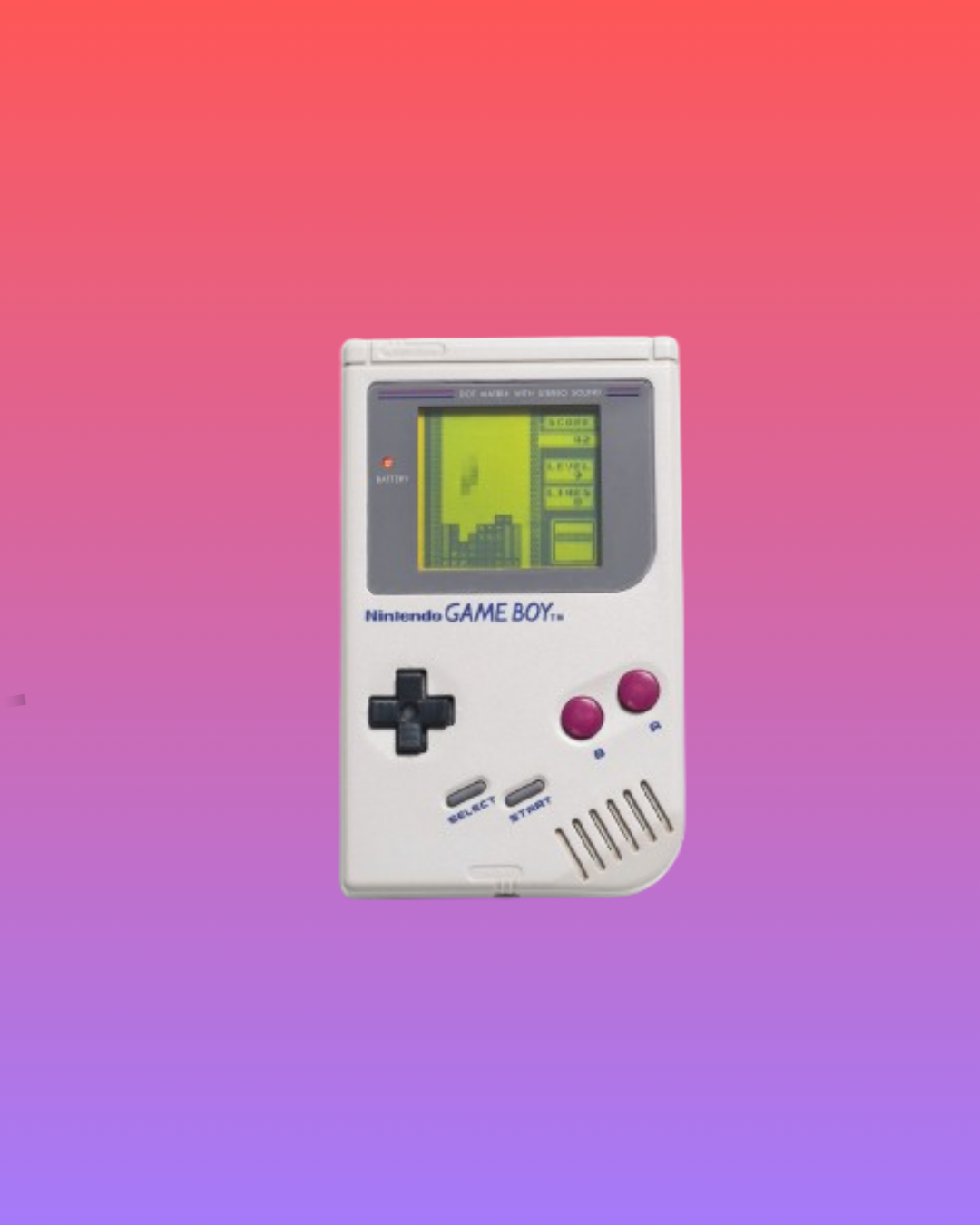
The Game Boy, released in Japan in 1989, is a cult classic. Its compact design, long battery life and affordable price made it particularly popular. The game Tetris, in particular, played a key role in the Game Boy and its successors selling around 120 million units.
Despite initial scepticism regarding its simple greyscale graphics, Gunpei Yokoi’s idea went on to become a huge success. Both Die Neue Sammlung and the Deutsches Museum have the Game Boy in their collections. It is the most successful games console of the 20th century.
Form, colour, chemistry:
Glass as a material and in art
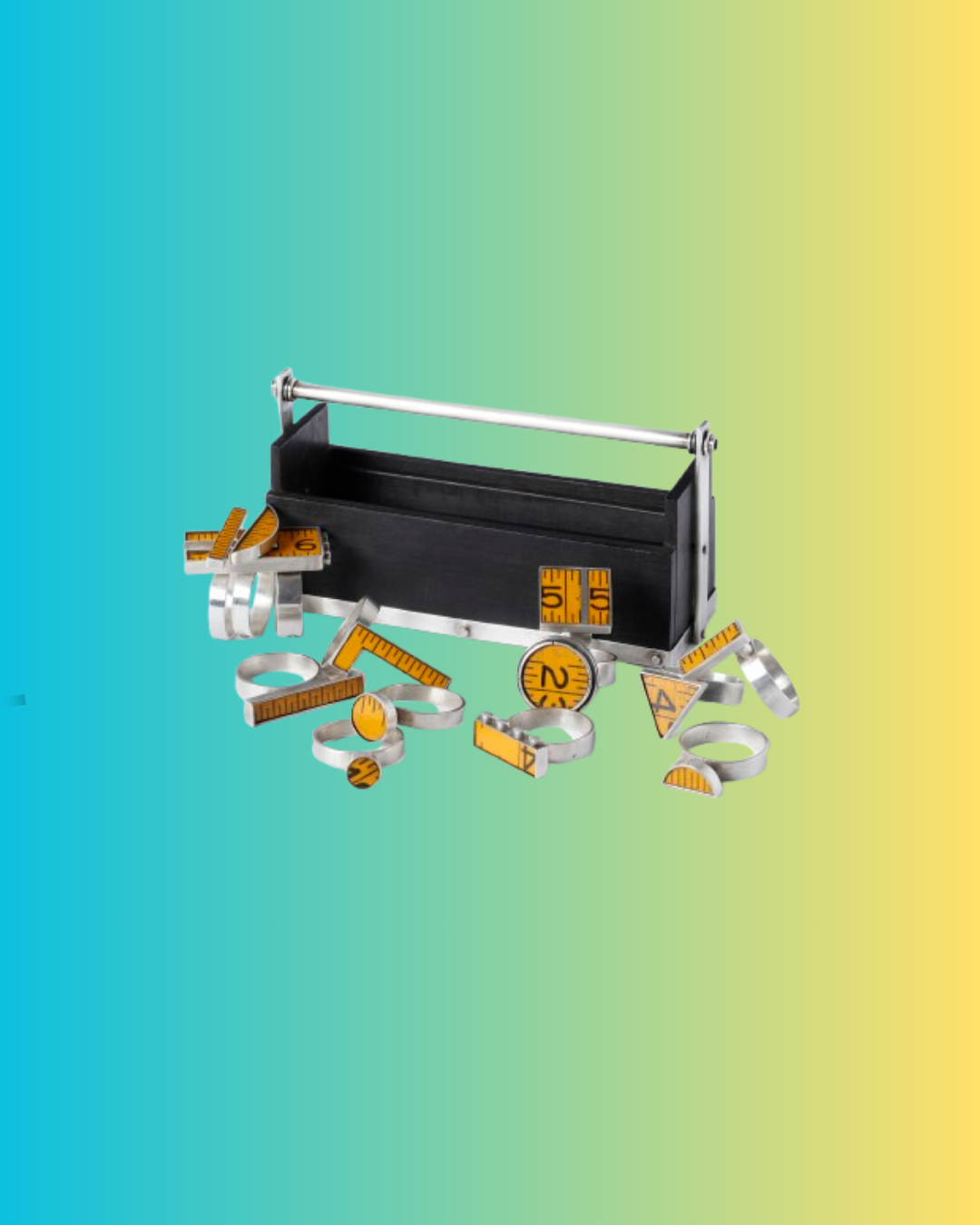
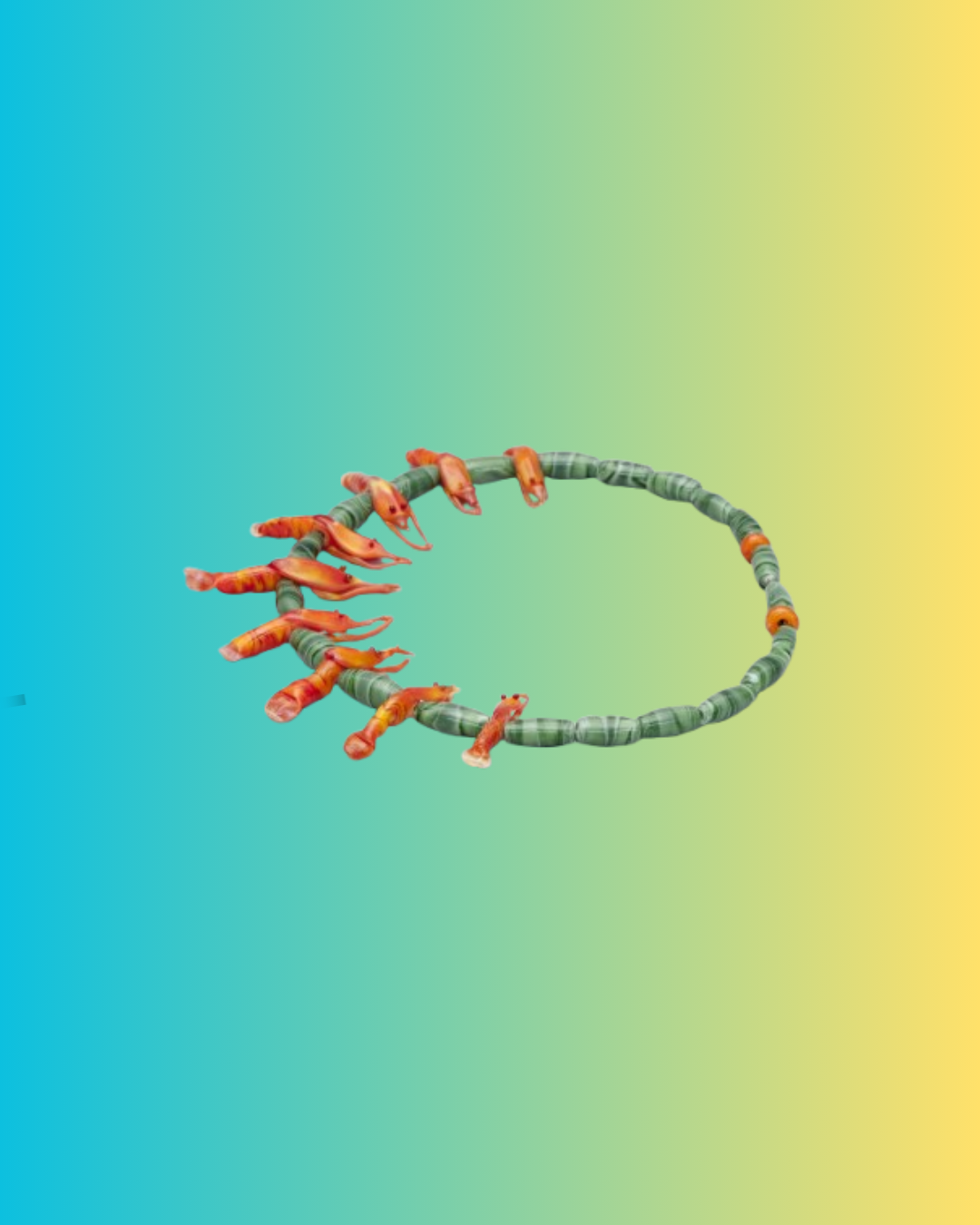
Both the Deutsches Museum and Die Neue Sammlung collect contemporary jewellery that draws on motifs from history and everyday life, imbuing them with new meanings.
Everyday life can serve as a starting point for artistic work. In ‘Overruled’, Kiff Slemmons places sections of a folding rule onto silver ring bands, which she presents in a small toolbox crafted from ebony. The folding rule and ruler evoke associations with craftsmanship and its precision, as well as an appreciation for one’s own work.
The necklaces by glass artist Jan Hein van Stiphout are made from glass fragments from Aruba. The island is now part of the Kingdom of the Netherlands and was occupied by the Dutch in 1636 as part of colonial trade activities. For him, glass embodies contrasts – fragile and strong, heavy and transparent. He works with these found pieces, making colonial history and its tensions visible and wearable. Manual glassmaking is an intangible cultural heritage and demonstrates not only artistic creativity but also the highest level of craftsmanship and precision.
Thermoformed for cold beer

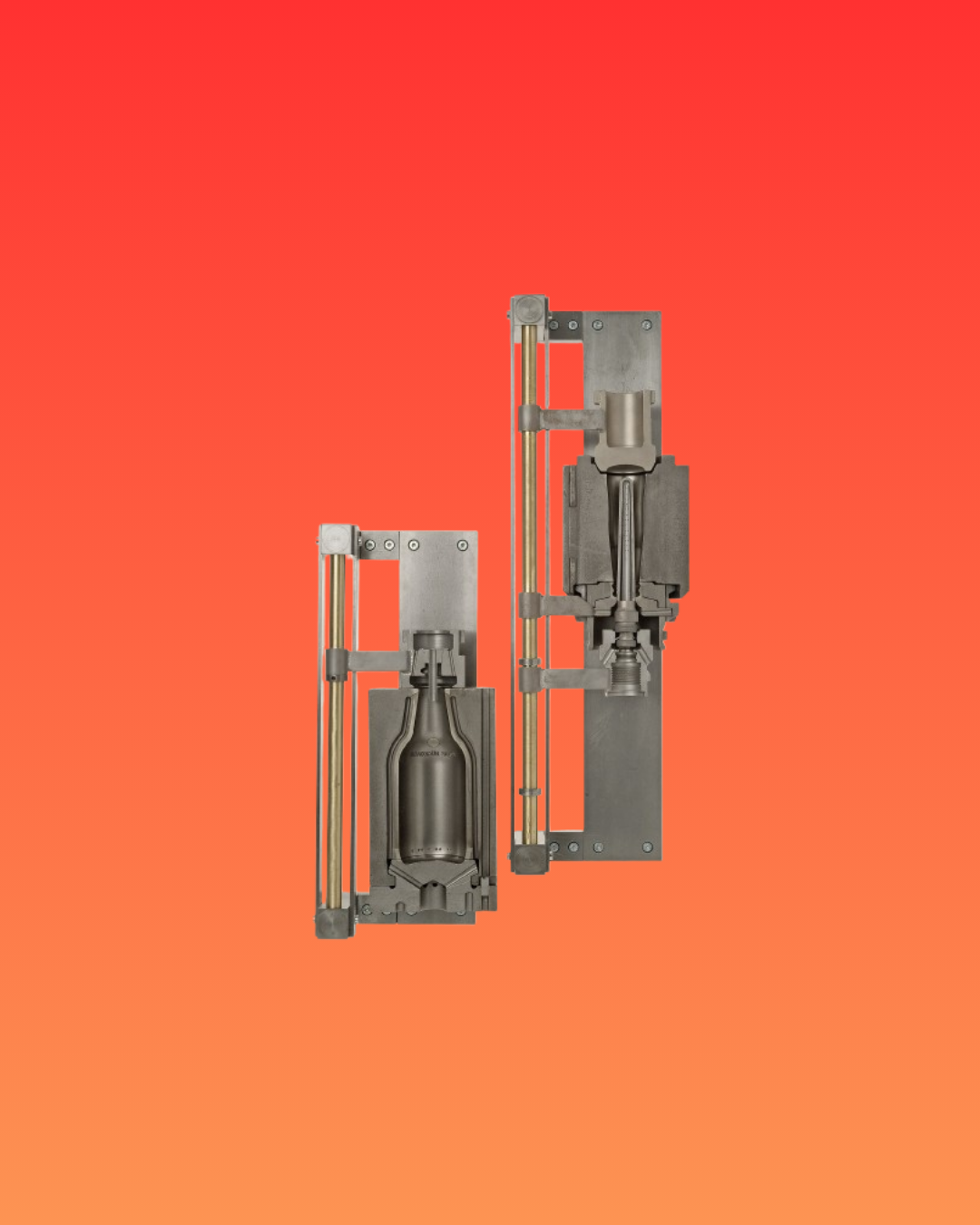
Often adorned with monks, animals or coats of arms, beer bottles line the shelves of shops. Brand imagery creates recognition and tells a story of origin and tradition. But what happens when you strip all that away – when a bottle is simply labelled ‘beer’? This deliberate simplification cuts through the flood of advertising and draws the eye back to the essentials: malt, hops and water. Or, as Johannes Schwaderer and Tom Tomczyk put it: ‘Good taste needs no name.’
Today’s brand diversity and the ubiquitous glass bottle are closely linked to industrialisation. The Deutsches Museum illustrates this development using objects related to machine-made glass production.
The advantages of machine-made glass production are cheap and rapid mass production at low cost. What makes the narrow-neck press-blowing process special is its high precision. It showcases a key technique in machine-made glass production that is still used today and impressively documents the technical progress from manual glassmaking at the lamp to industrial mass production.
Constellations
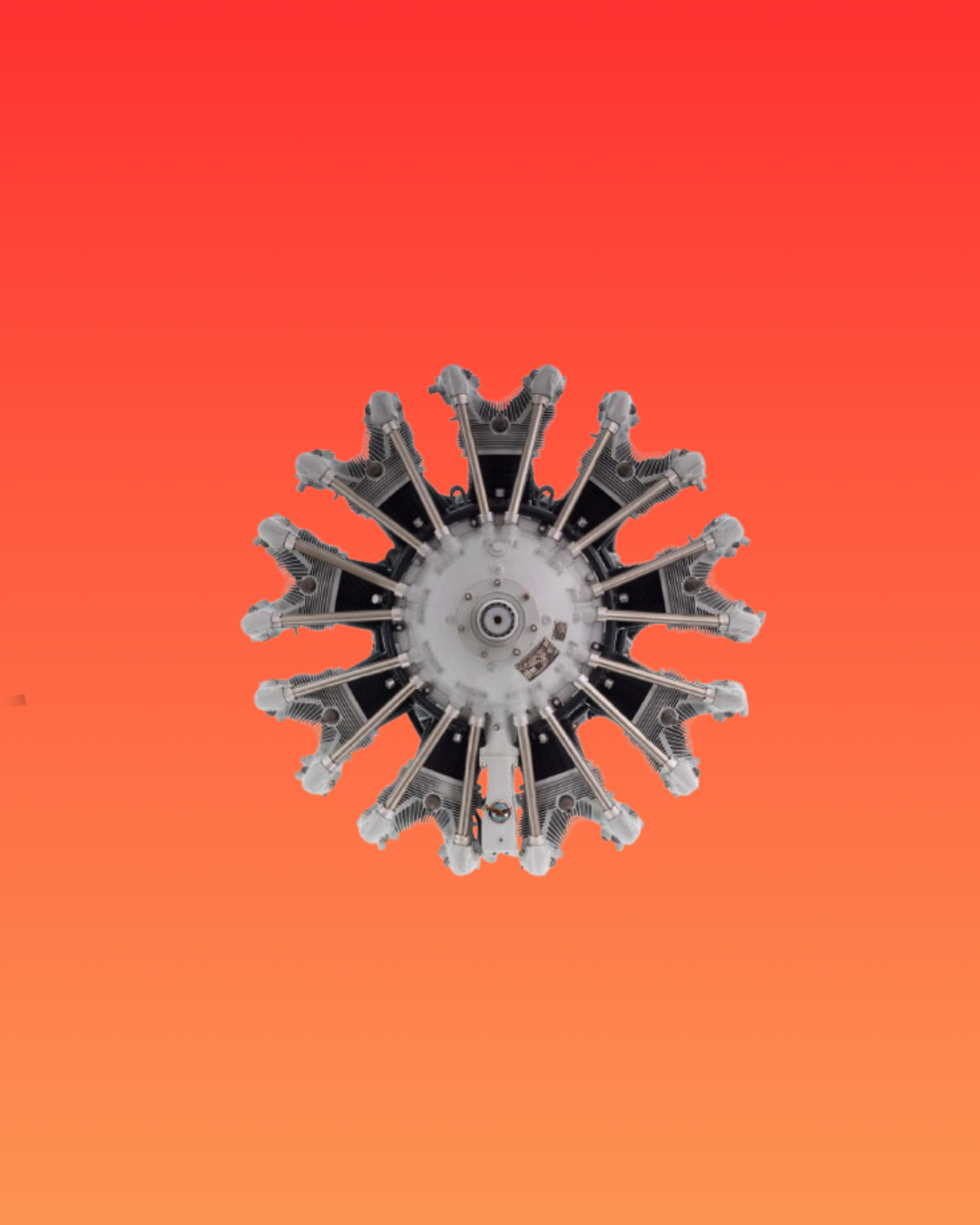
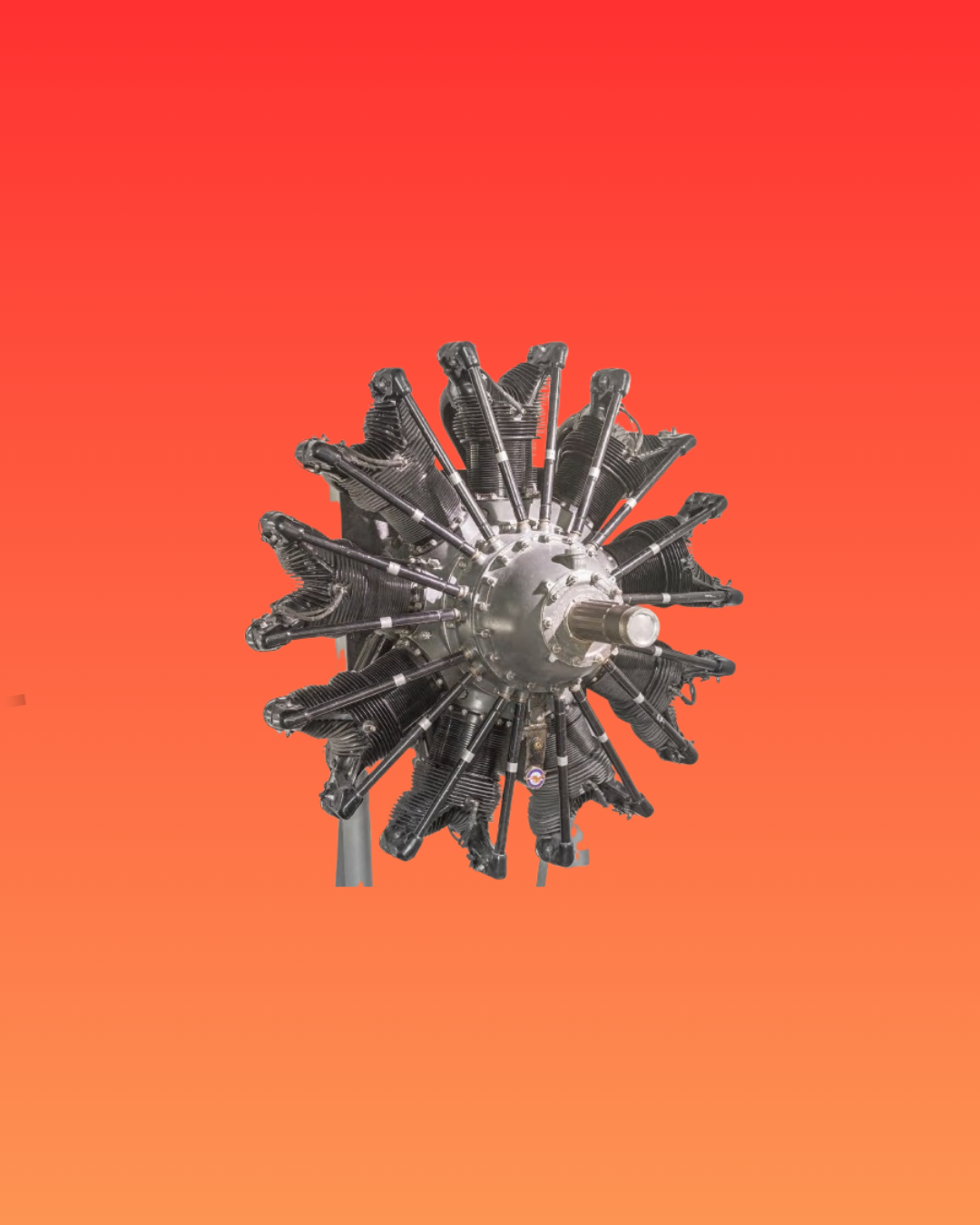
By 1930, the radial engine had become so important to powered flight that both the Neue Sammlung and the Deutsches Museum held examples in their collections:
At the forefront of development was the American firm Pratt & Whitney, which from 1925 onwards designed powerful nine-cylinder radial engines. In 1928, the then CEO of BMW visited the company in the USA and initiated the acquisition of licences for the two engine types, the ‘Hornet’ (Deutsches Museum) and the ‘Wasp’ (Die Neue Sammlung).
Based on these engines, BMW developed the BMW 132 series, which was installed as a successful production model in aircraft such as the ‘JU 52’. Alongside the Wright Cyclone engines, Pratt & Whitney Hornet engines were the most widely used radial engines, with high production figures.
The fact that these radial engines possessed not only technical qualities but also great aesthetic appeal is demonstrated by their early inclusion in a 1936 publication on the subject of ‘Art and the Machine Age’.
At second glance
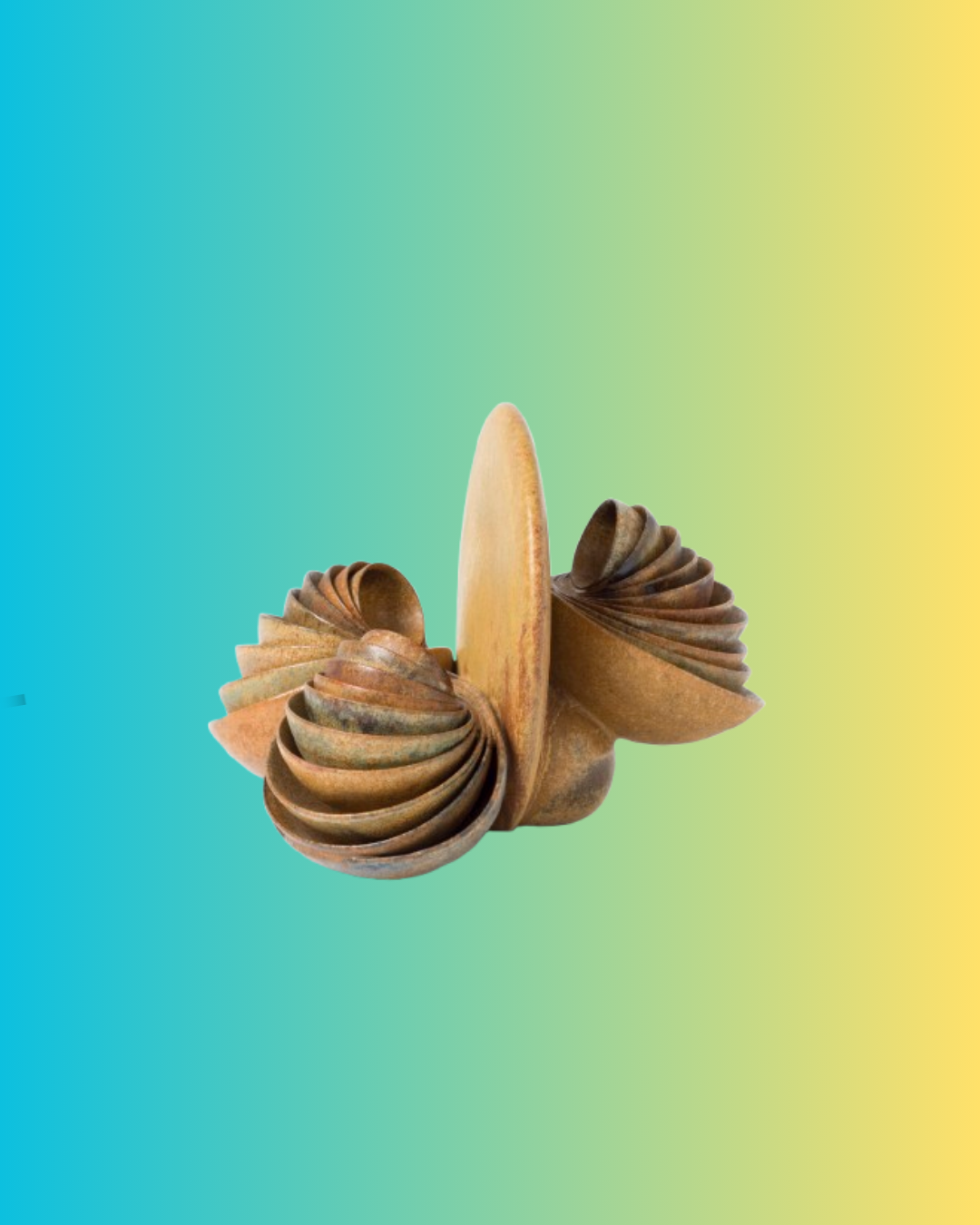

At first glance, both objects look like shells that someone has collected or found. But a second look is worth it:
The object in the collection of die Neue Sammlung is called “Spiegel”. Beate Kuhn created the brown and blue glazed object in 1971. She has formed a sculpture 21.5 cm high from the round discs. The German ceramicist likes to draw inspiration from nature and explores themes of movement and rhythm. This work, too, evokes associations with underwater worlds and marine plants. The stacked shells seem to be moving.
The conch shell in the Deutsches Museum is a musical instrument originating from Japan. It is made from the shell of the sea snail Charonia tritonis. To this day, it is used primarily by Buddhist monks, who employ it as a signalling instrument and in rituals to invoke the gods. Each school has its own melodies, which can consist of up to five notes. The name ‘Horagai’ is composed of ‘ho’ – Buddhist law, ‘ra’ – large shell, and ‘rai’ – shell.
Glass masterpieces
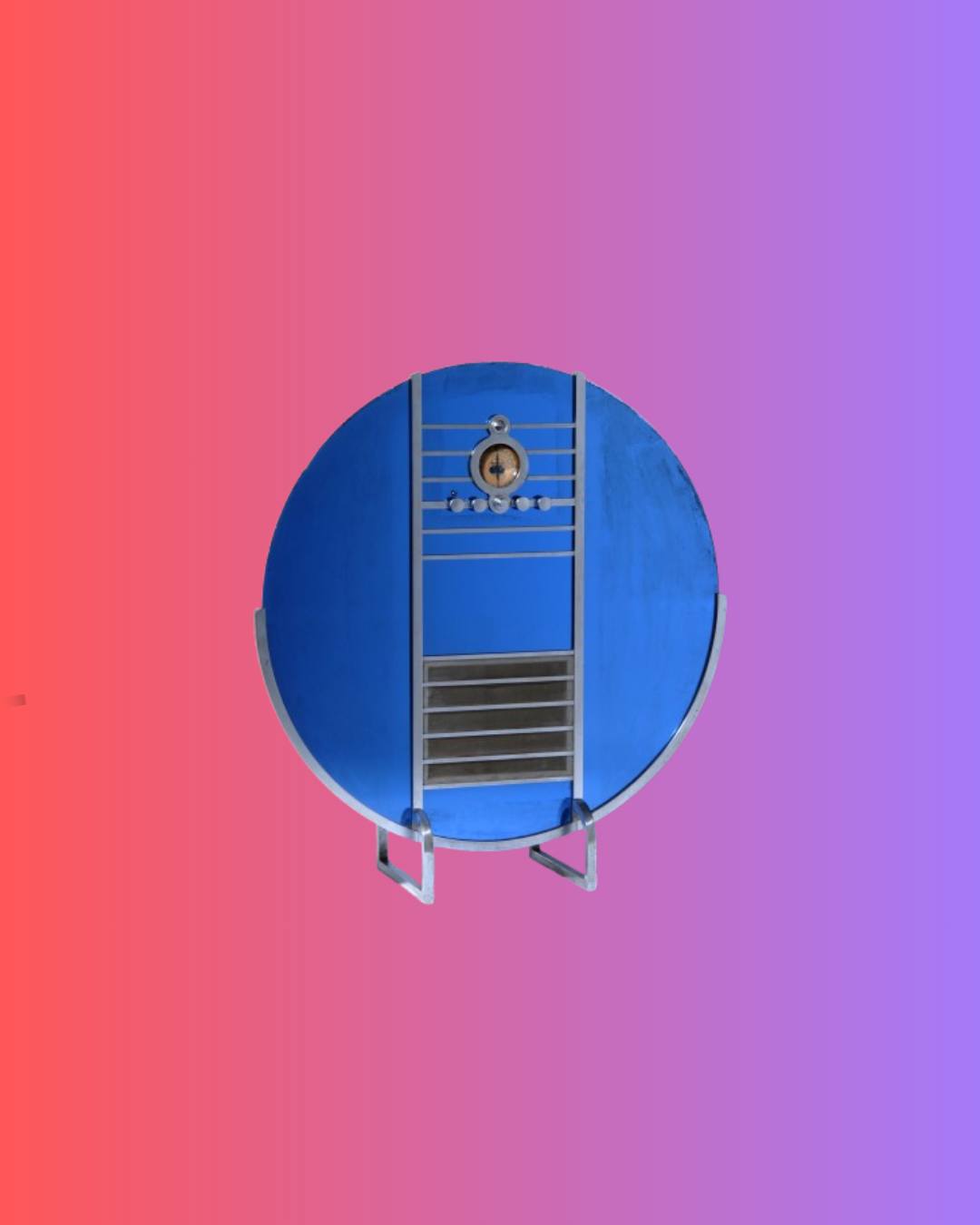
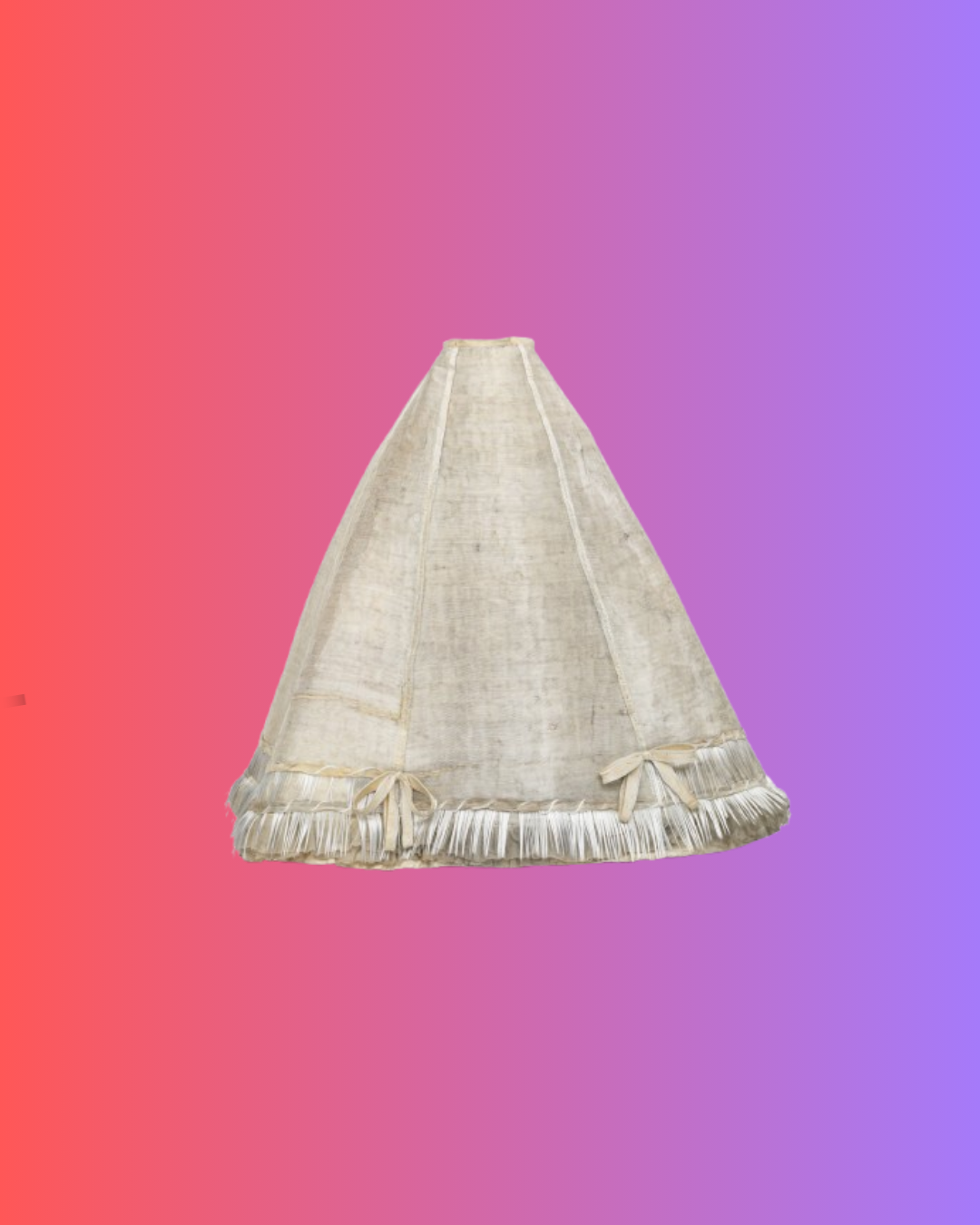
In 1893, a spectacular dress made of glass fibres was created for the World’s Columbian Exposition. The glassblower Hermann Hammesfahr crafted it on behalf of the Libbey Glass Company. The finest glass threads, drawn over a flame, were woven together with silk – a laborious process taking around 30 hours of work for the fabric alone. The shimmering gown even captivated Princess María Eulalia of Spain and, through her, found its way into the collection of the Deutsches Museum in 1924.
The Neue Sammlung does not collect fashion. In the 1930s, however, the ‘Nocturne’ radio made of glass made a similar statement. Designed by industrial designer Walter Dorwin Teague, it combines dark glass and chrome into a clear, circular form. The technology recedes behind mirrored glass – what is visible above all is the elegant presentation.
Faster, better… lighter!
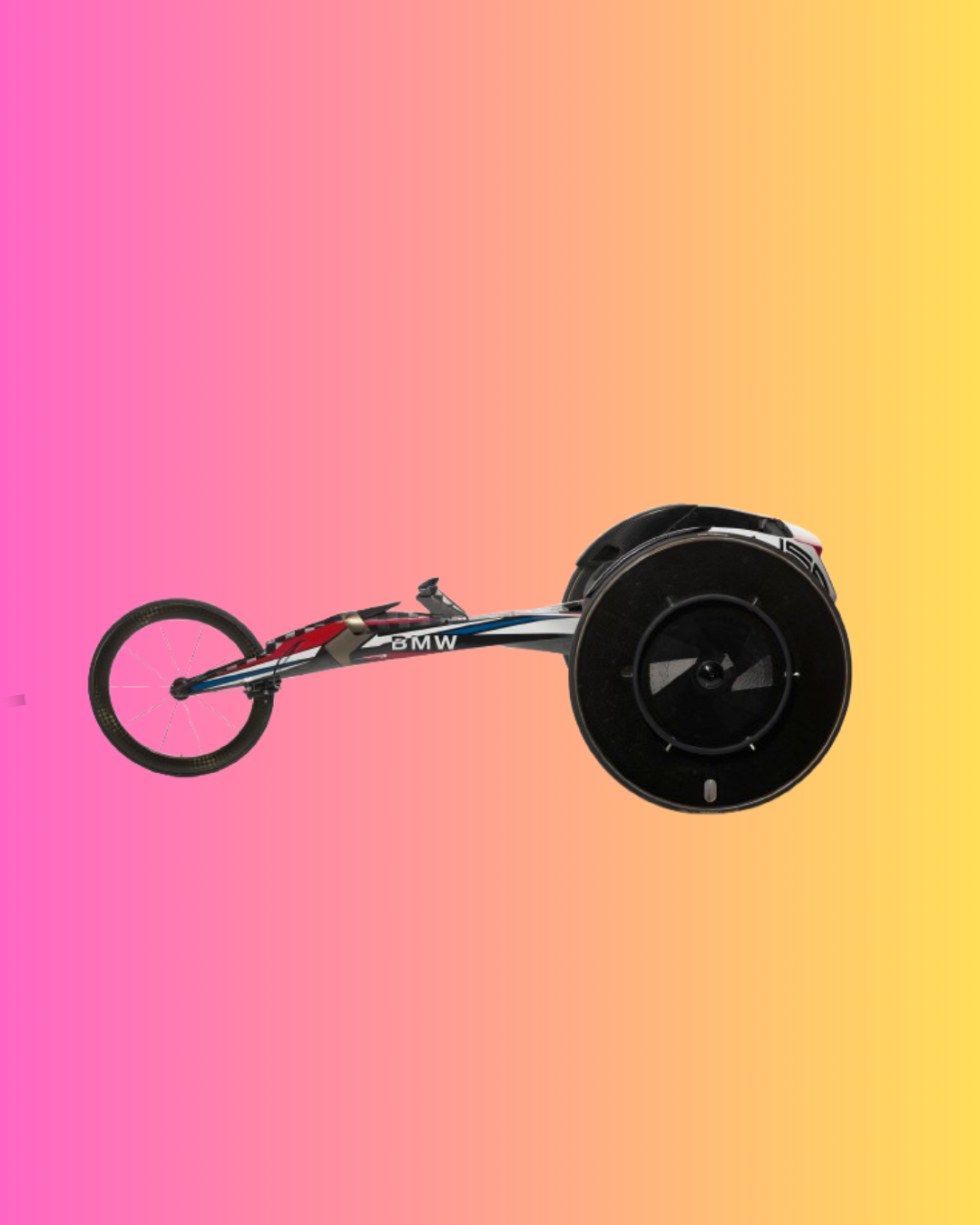
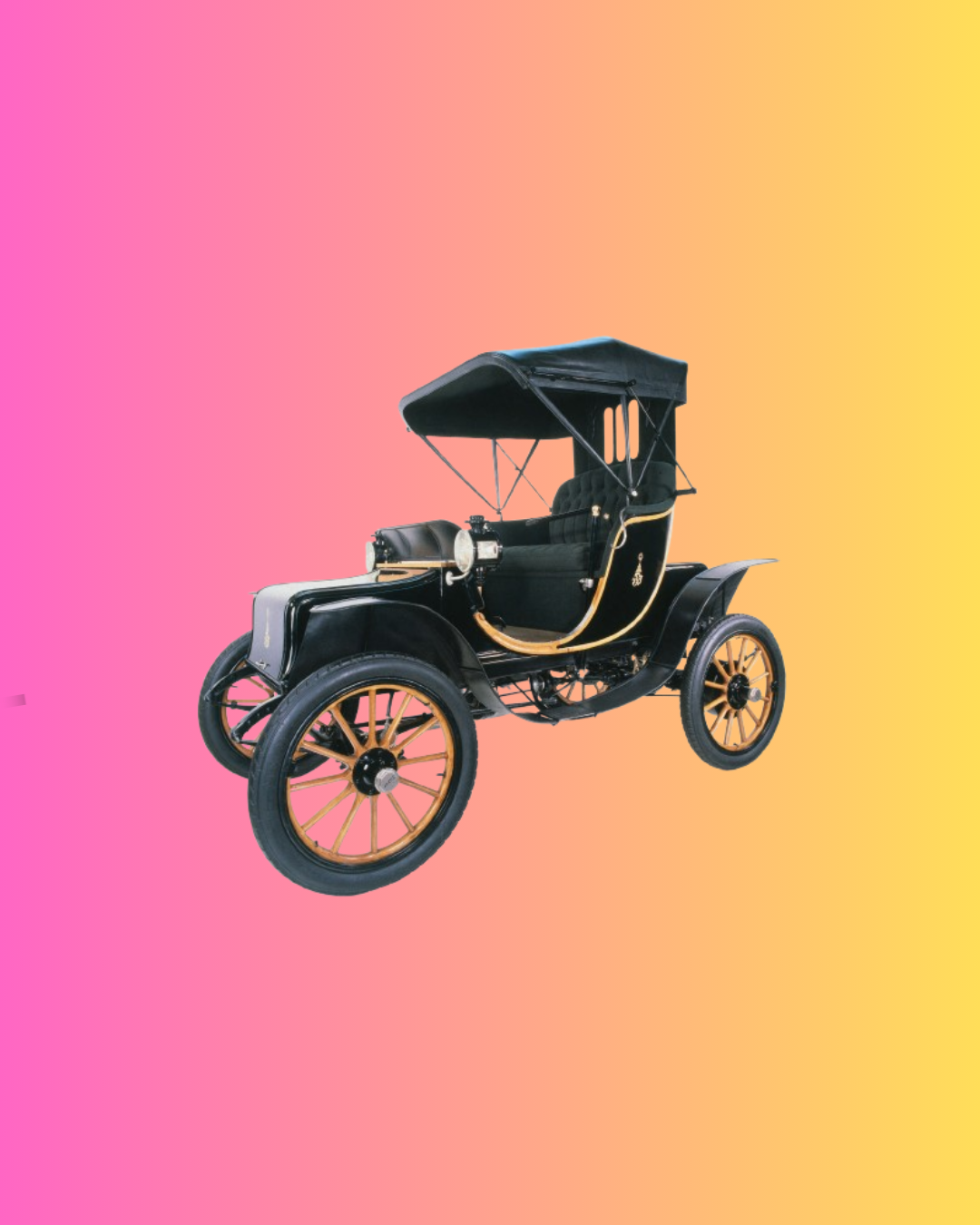
The Baker electric car at the Deutsches Museum was one of the most popular electric vehicles around 1900. Between 1899 and 1916, the US company Baker Motor Vehicle Co., in collaboration with Rauch and Lang Carriage Co., produced lightweight electric vehicles powered by a General Electric DC series-wound motor, drawing their power from two batteries each at the front and rear. The car was braked at a maximum speed of 20 km/h using two shoe brakes on the rear wheels. Instead of a steering wheel, it featured a fold-out control lever. Simple technology and operation, low noise levels and zero emissions made the vehicle popular.
In contrast, there is a one-of-a-kind item: the North American elite athletes won four gold, two silver and one bronze medal at the Olympic Games in Rio de Janeiro with the handbike on display in the Neue Sammlung. The award-winning design object was developed by BMW Design Works in collaboration with the US Paralympic racing team. The car manufacturer was a sponsor of the Games in 2016, but also wanted to provide active support. This is because the athletes’ equipment is crucial, particularly at the Paralympics, yet they are underfunded compared to their Olympic counterparts. The racing wheelchair is made of carbon fibre and is therefore particularly light yet sturdy.
The bitten apple
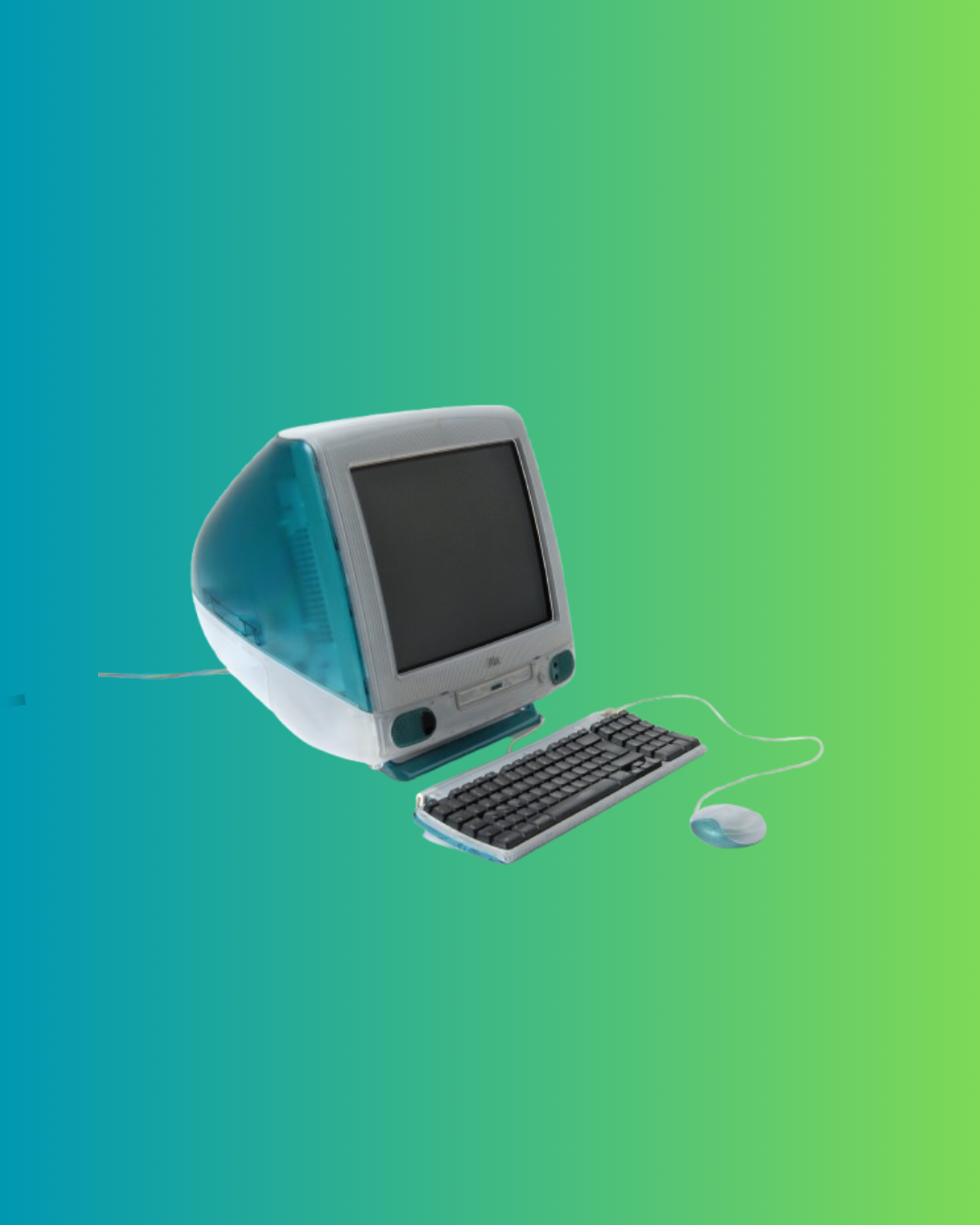
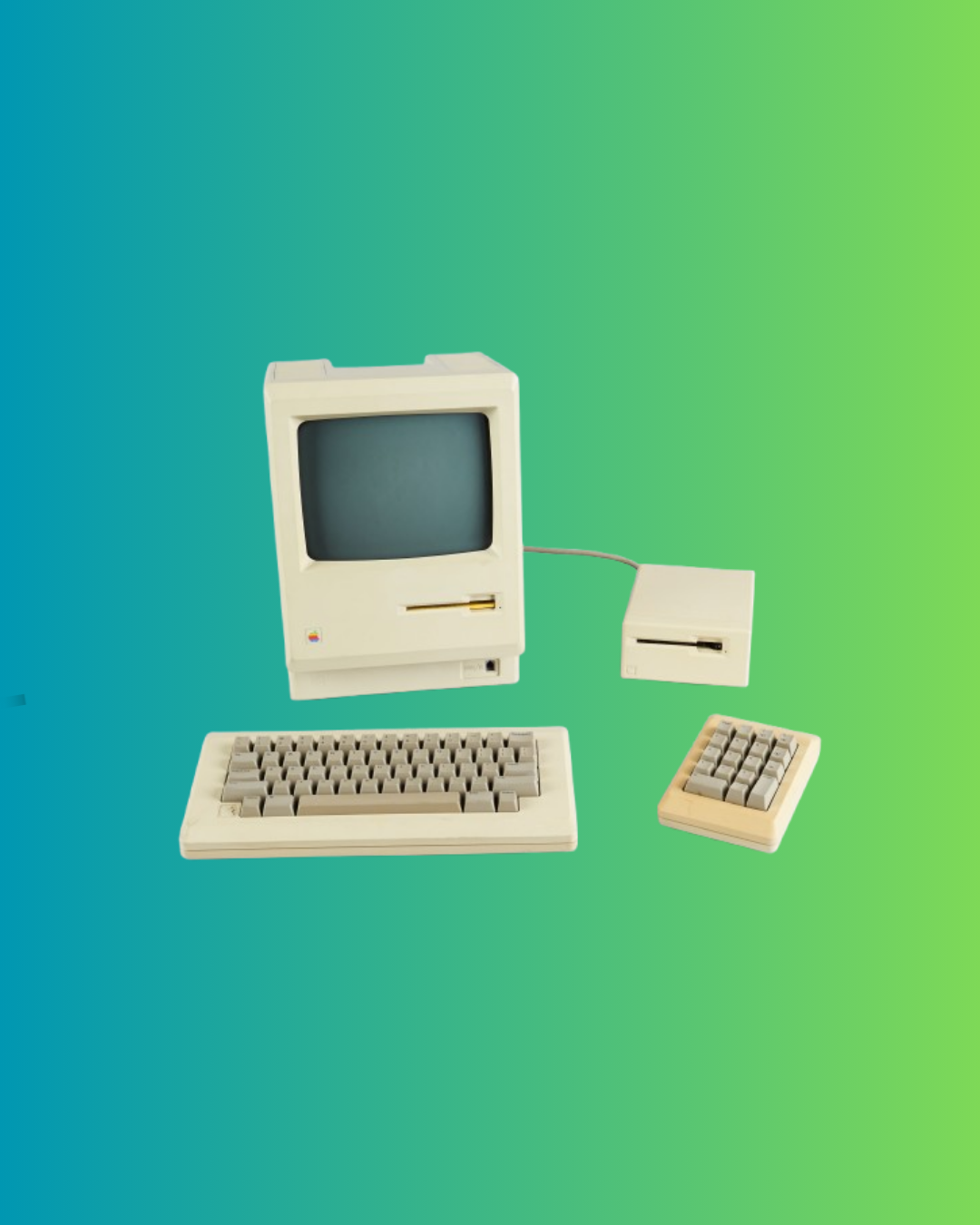
Apple products remain popular to this day and have evolved rapidly:
From 1984 onwards, the first Macintosh 128K (German Museum) could be purchased for $2,495! It was one of the first computers that could be operated intuitively by a wide audience. Whereas computers previously had to be controlled via complicated text commands, the Macintosh enabled operation via a mouse and on-screen icons, even for users with no prior knowledge.
Moving away from its monochrome, angular design, Apple launched the iMac G3 in 1998 (Die Neue Sammlung). Its rounded, colourful, transparent casing made a deliberate design statement with its first colour, ‘Bondi Blue’. It appealed to new target groups, reduced the number of cables and provided a glimpse into the inner workings thanks to its all-in-one design, and, with 6 million units sold, helped save Apple from declining sales figures.
Seating furniture made from a single piece

The “Hemp Chair” (2011/2012) by Werner Aisslinger, part of the Neue Sammlung, highlights a key issue of our time: sustainability. Compressed hemp and kenaf fibres, bound together by an eco-friendly adhesive, merge the chair and the material into a single entity. The chair serves as a reminder of how form and material must be considered together in a sustainable way.
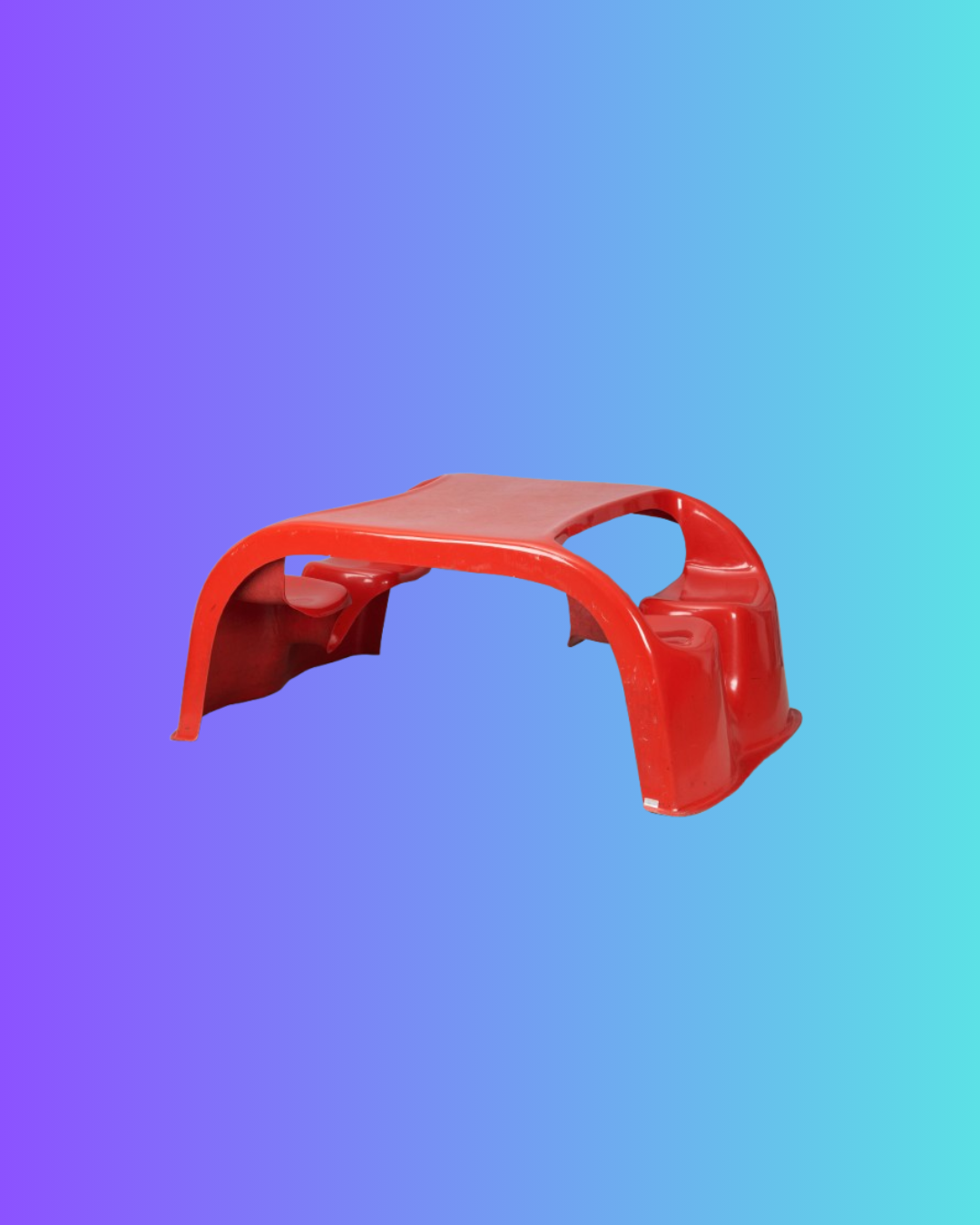
A striking example is the “Auberge” seating set (1971) in the collection of the Deutsches Museum by designer Günter Beltzig, who, together with his brothers, designed play and seating furniture for the plastics company Beltzig Design. The table and seating merge into a single unit with flowing lines. Thanks to the robust plastic, the set is suitable for both indoor and outdoor use.
Bicycles for practical transport
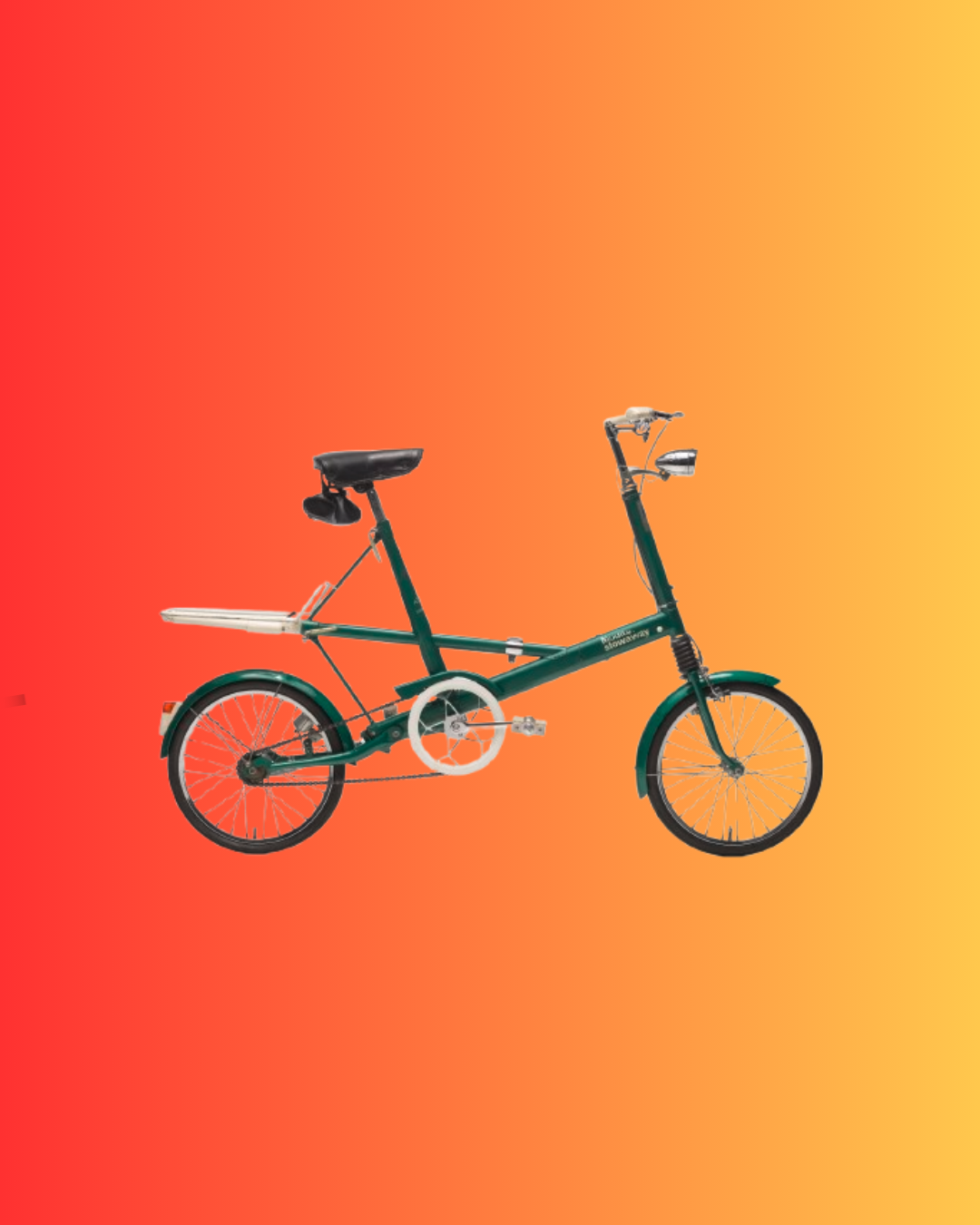
The British engineer Alex Moulton came up with the idea for a compact bicycle in response to the petrol rationing triggered by the Suez Crisis in 1957. The ‘Moulton Stowaway GR’ from 1962 featured a number of technical innovations, but above all it broke with all conventions of traditional bicycle design: The bicycle can be completely dismantled and slotted together – it therefore offers a different solution to folding or collapsible bicycles.
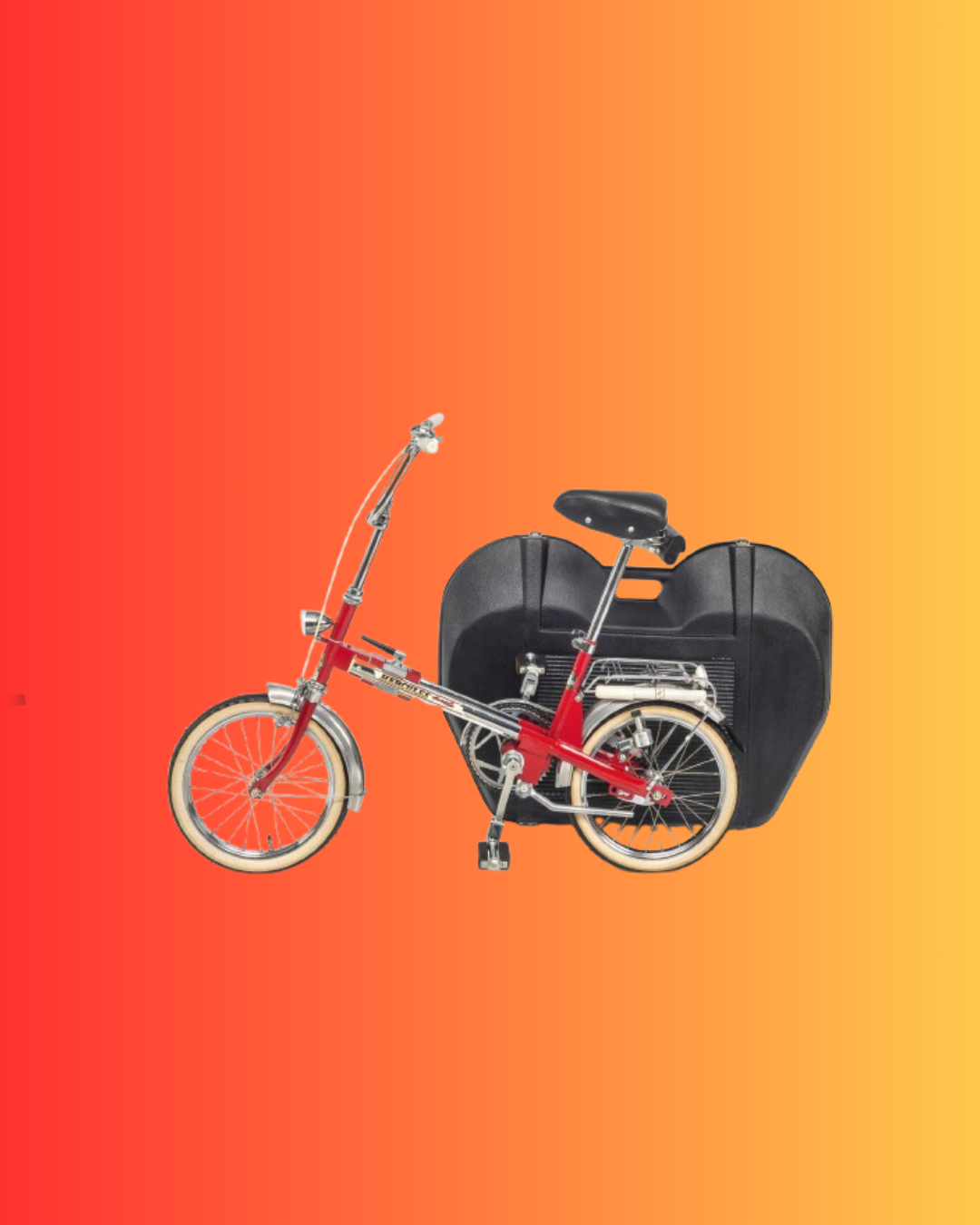
The Hercules folding bike in the Deutsches Museum is a particularly small folding bike that fits into a special car boot. It was intended as a camping accessory and symbolises the adaptation of the bicycle to the needs of motorists in the 1970s. Even the pedals were foldable. Yet compared to today’s folding bikes, the car-bike was rather impractical and uncomfortable. With no gears, the bicycle was best suited to short journeys on flat terrain.
From the laboratory to the kitchen
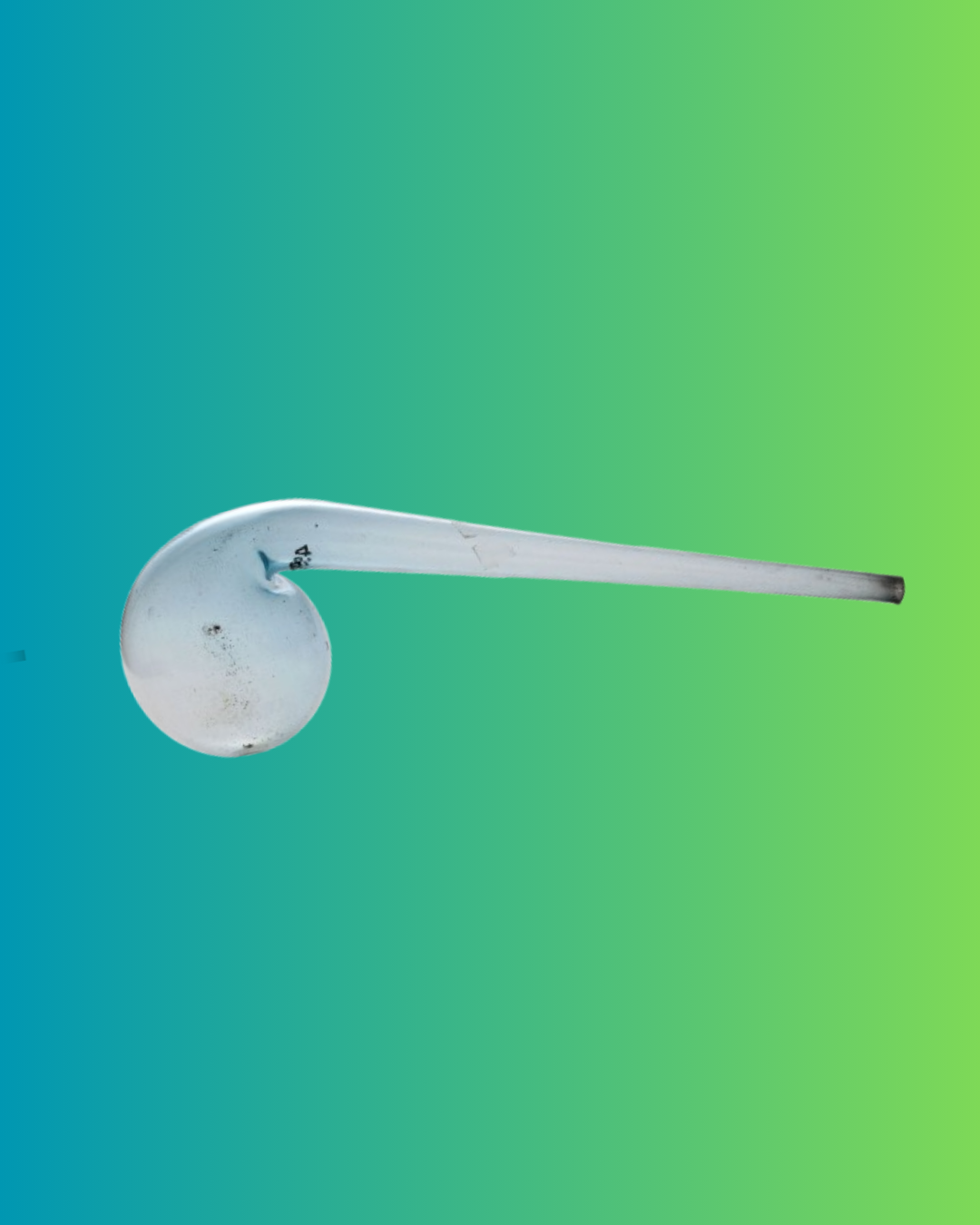
In the laboratory, glass is an indispensable working material – for example, in the form of the glass retort. This came to symbolise artificially produced substances and the chemical transformations that humans inflict on natural raw materials. Although the retort attained this iconic status at an early stage and was used in alchemy and chemistry for many centuries, it has not been found in any laboratory since the beginning of the 20th century. For the Deutsches Museum’s collection of the history of technology, retorts are of interest both as historical laboratory equipment and as a symbol of early chemistry.
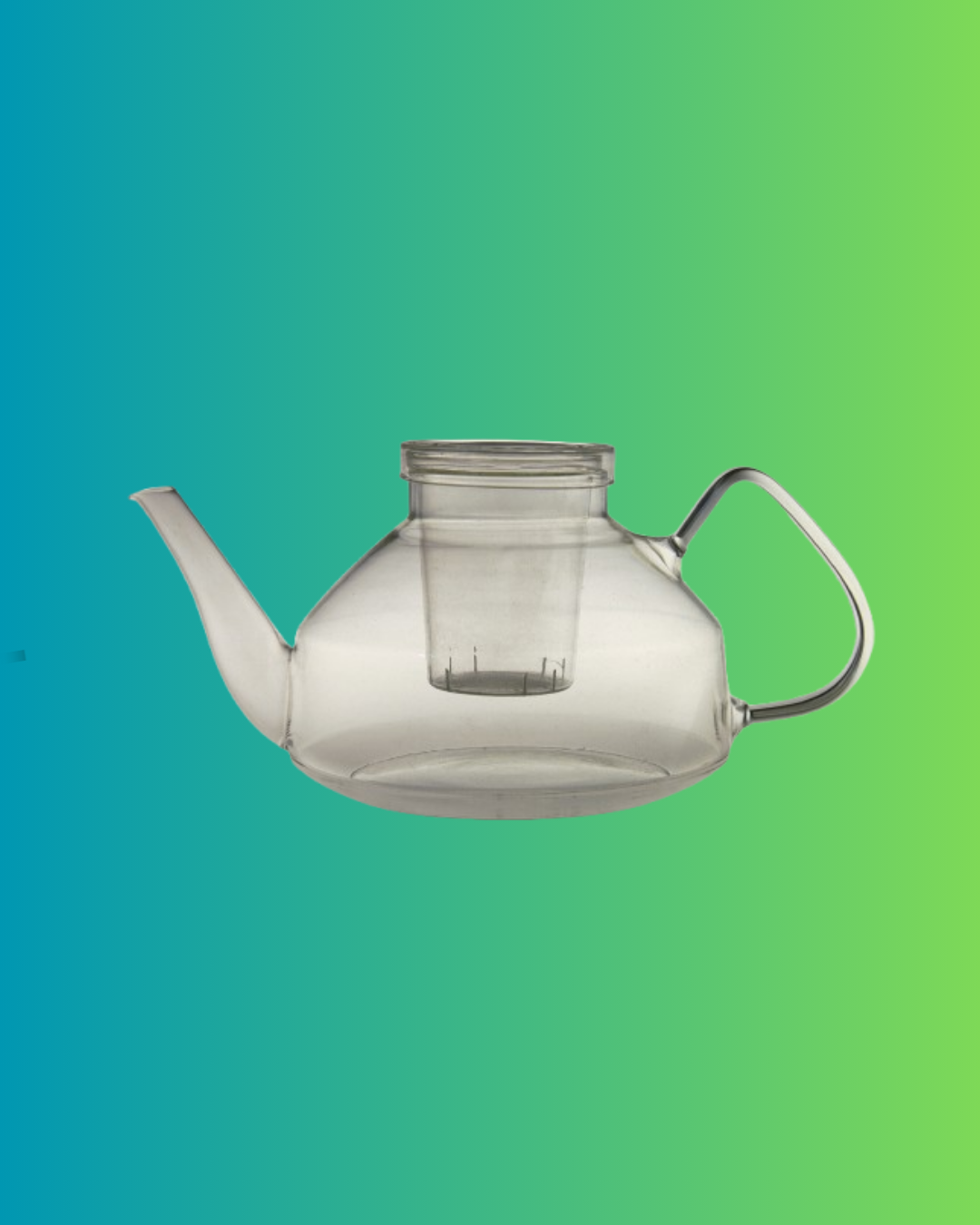
In the 20th century, glass became an integral part of tableware. The German industrial designer Ilse Decho played a key role in shaping this development. Her heat-resistant teapot (Die Neue Sammlung) – even the tea strainer was made of glass – brought the material to the fore and made it suitable for everyday use. Tea was no longer decanted but served directly from the glass vessel.
La Dolce Vita
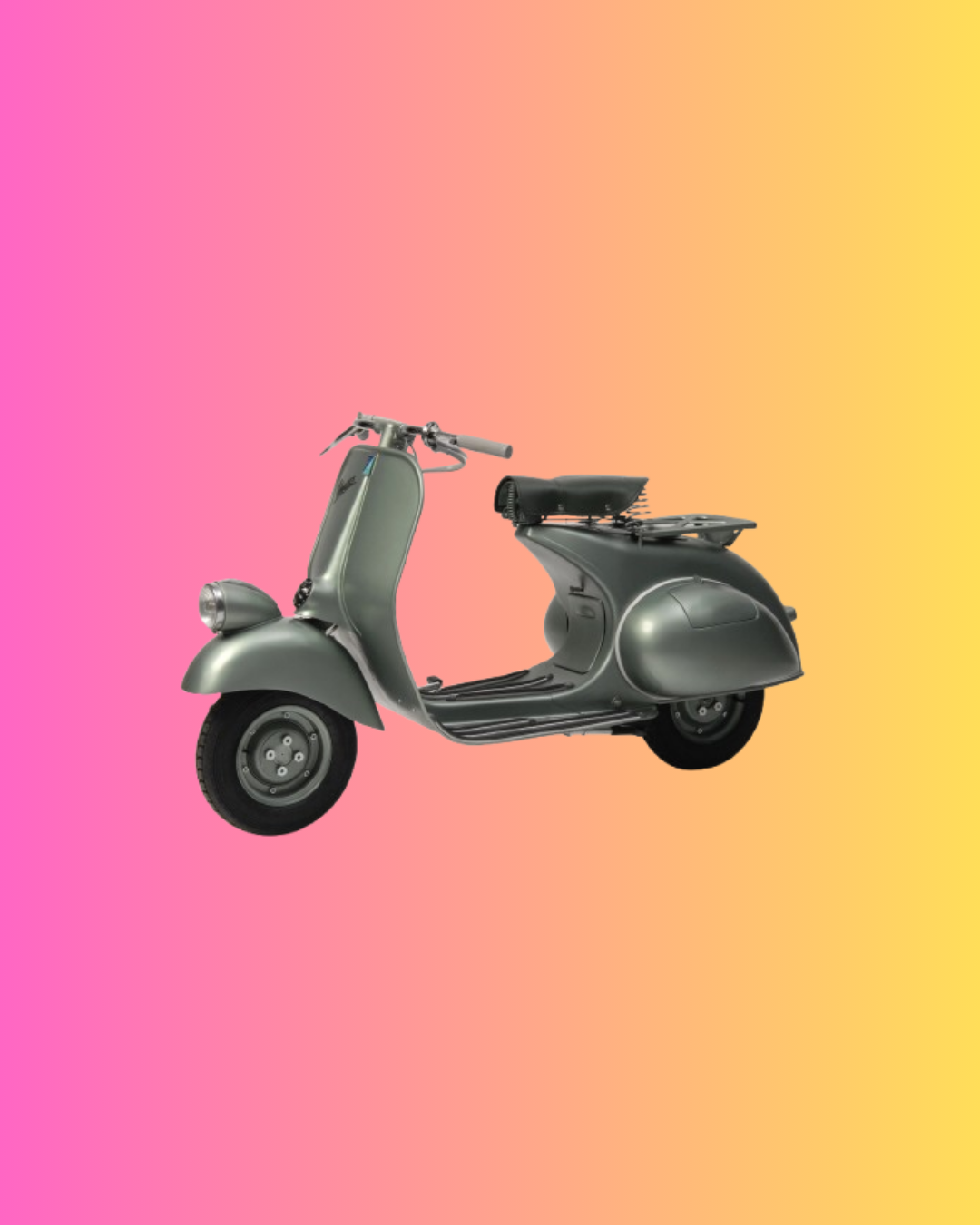
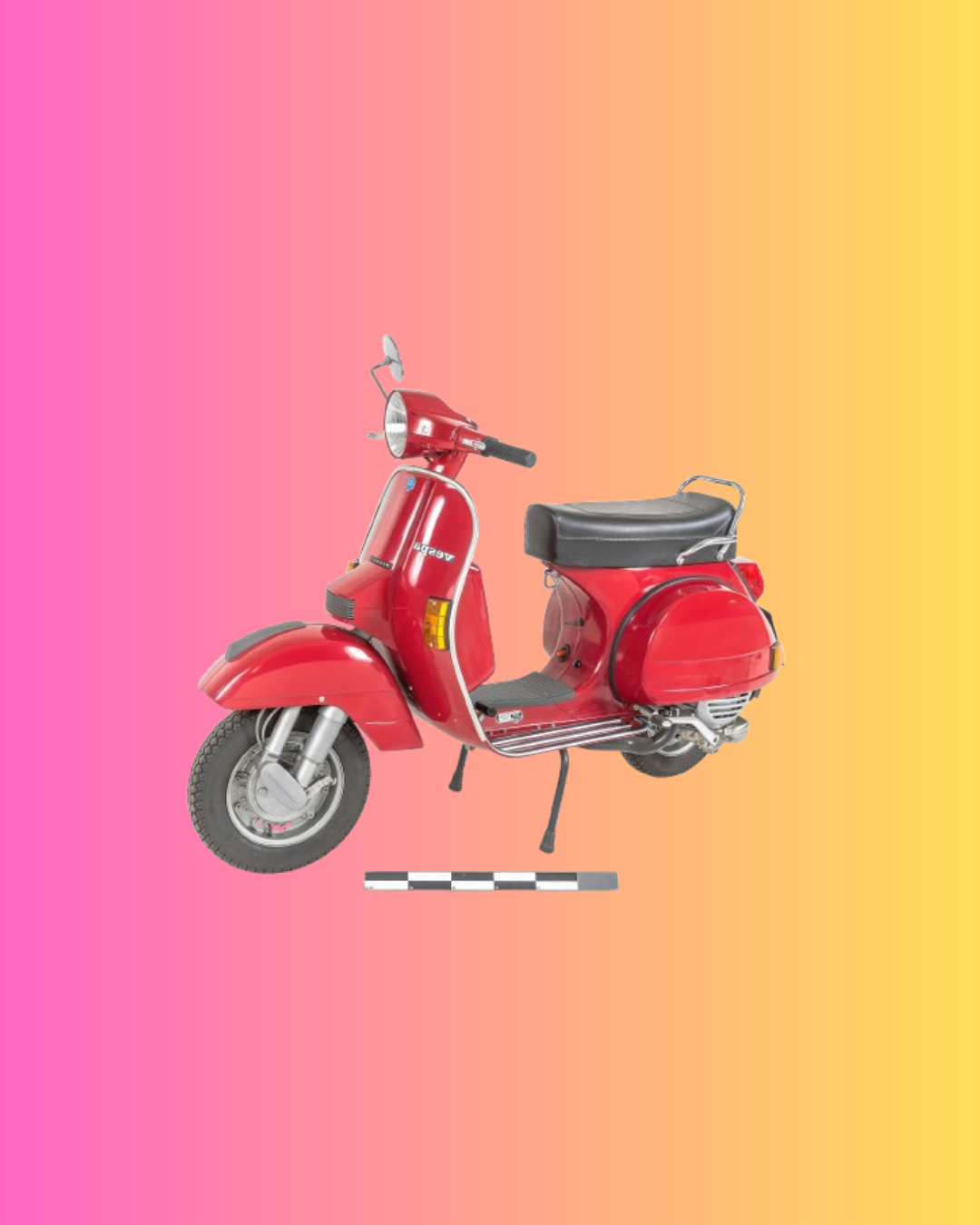
The Vespa represents a certain way of life and, as such, is a universally recognised cult object.
It was designed under Enrico Piaggio to provide an affordable means of transport in the post-war period.
Although the first Vespa V 98 already featured technical innovations derived from aircraft construction, it was not until the successor model, the Vespa 125, was launched in 1945 that it became a design classic thanks to its redesigned bodywork and further innovations (in Die Neue Sammlung). This model also gained fame through the film “Roman Holiday” starring Audrey Hepburn.
The Vespa PX 200 E Lusso (Deutsches Museum) from 1986 was a high-performance variant of the ‘new generation’ of the iconic scooter. The Vespa became larger and more angular. It was fitted with integrated indicators, mounted at the front on the side edges of the leg shield. The engine was also larger: with a 200 cc capacity, top speeds of 100 km/h could be achieved.
-
Project management:
Frauke Maria Petry, Die Neue Sammlung
Bernadette Mischka, Deutsches Museum -
Team:
Julia Maier, Die Neue Sammlung
Elian Büchtemann, Deutsches Museum